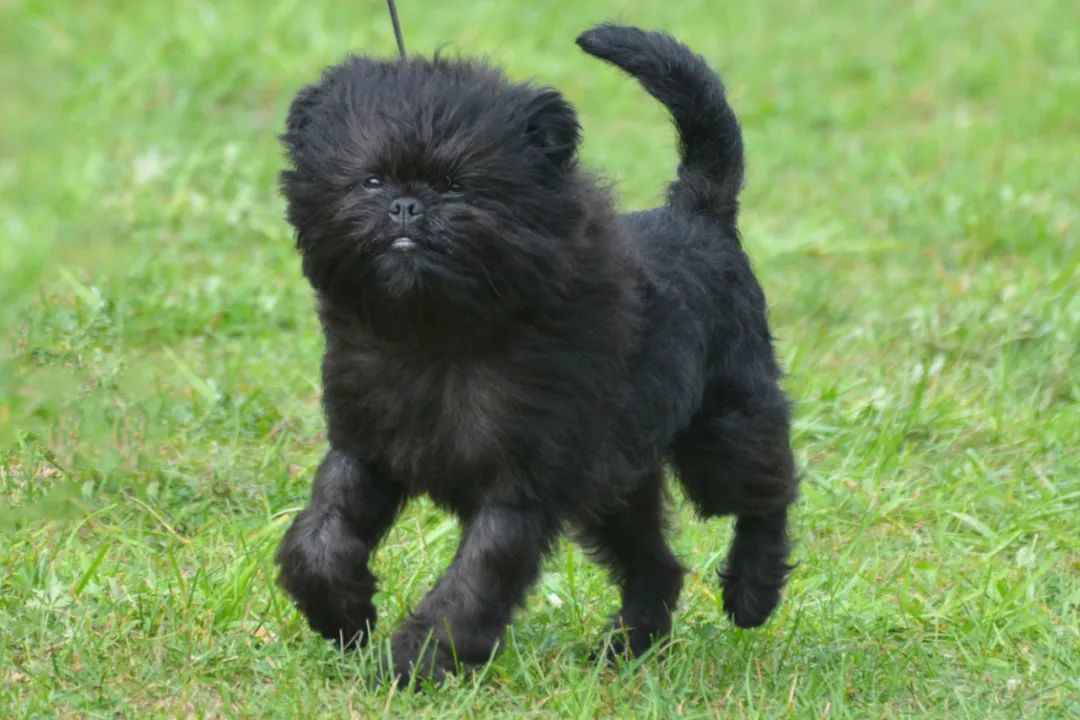
Meet the Affenpinscher: The Lovable 'Monkey Dog' with a Big PersonalityMeet the Affenpinscher: The Lovable 'Monkey Dog' with a Big Personality
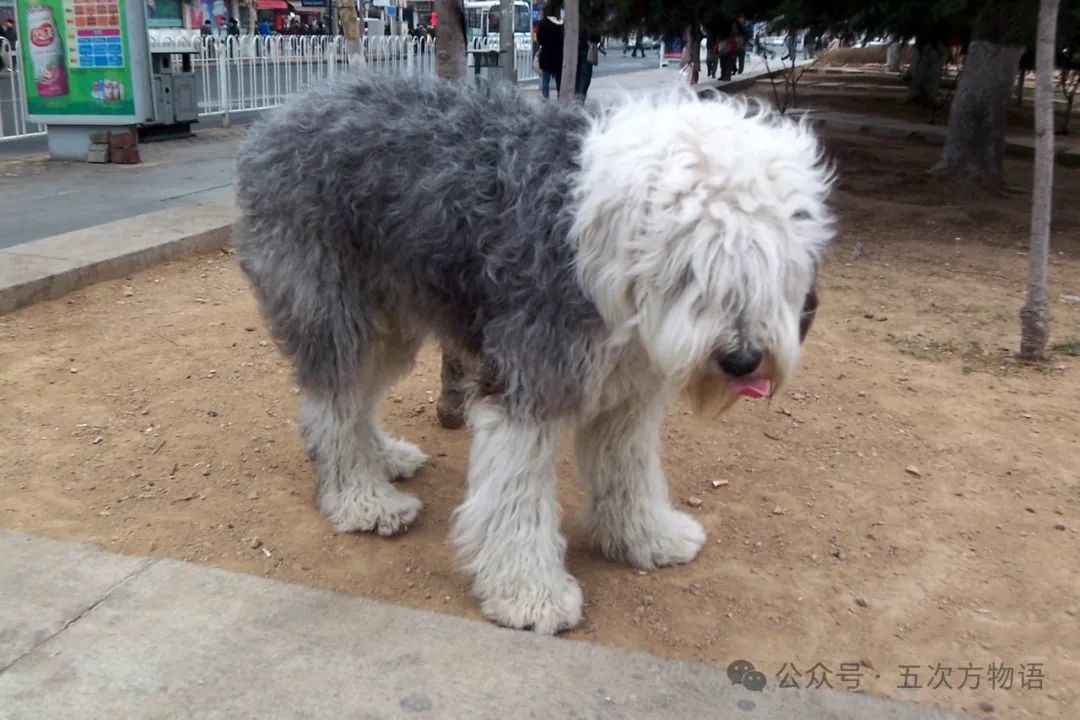
The Fluffy Guardian: Charm and Loyalty of the Old English SheepdogThe Fluffy Guardian: Charm and Loyalty of the Old English Sheepdog
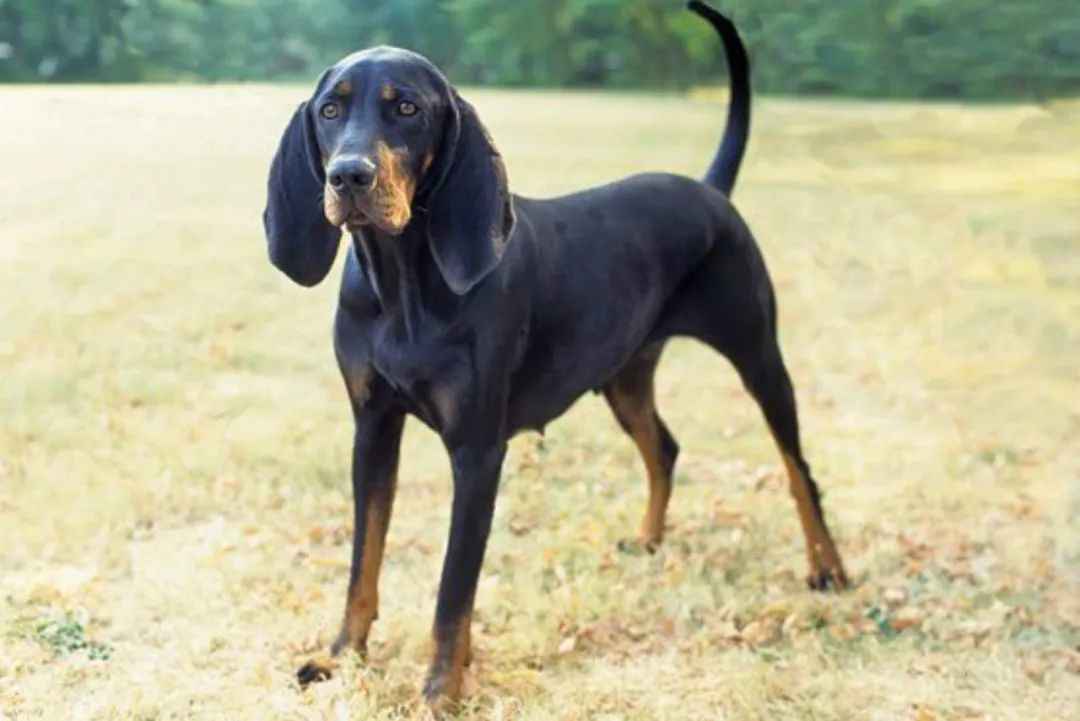
Black and Tan Coonhound: The Versatile Charm of America's Legendary Hunting DogBlack and Tan Coonhound: The Versatile Charm of America's Legendary Hunting Dog
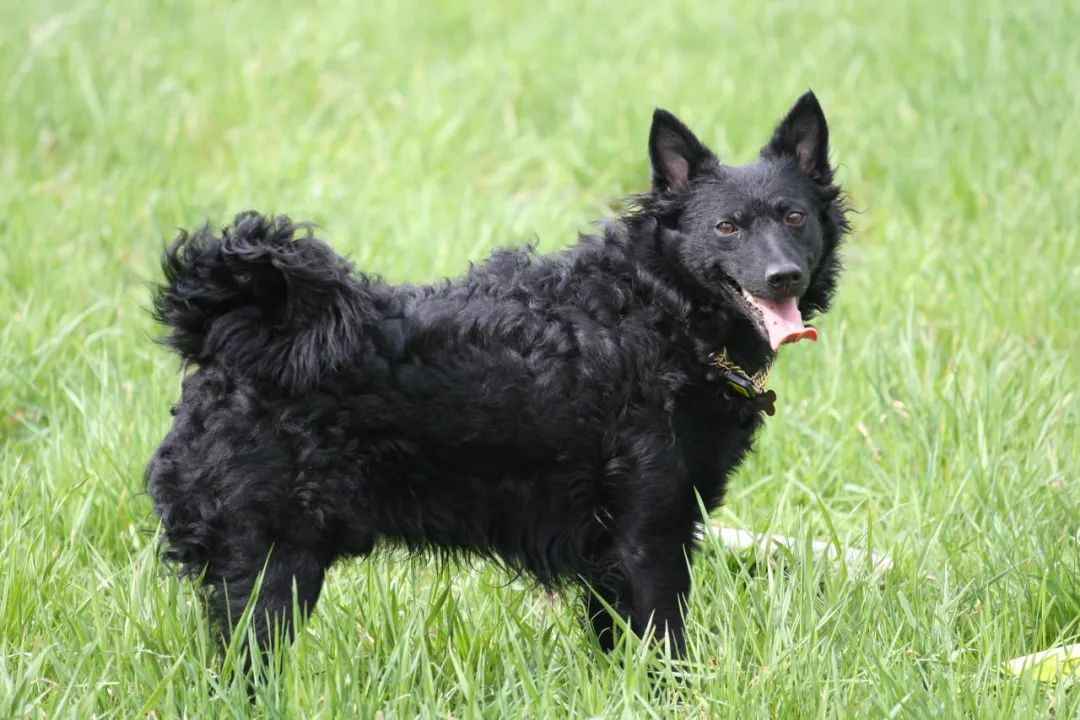
Hungarian Mudi: A Rare Herding Dog Breed Gains Global RecognitionHungarian Mudi: A Rare Herding Dog Breed Gains Global Recognition
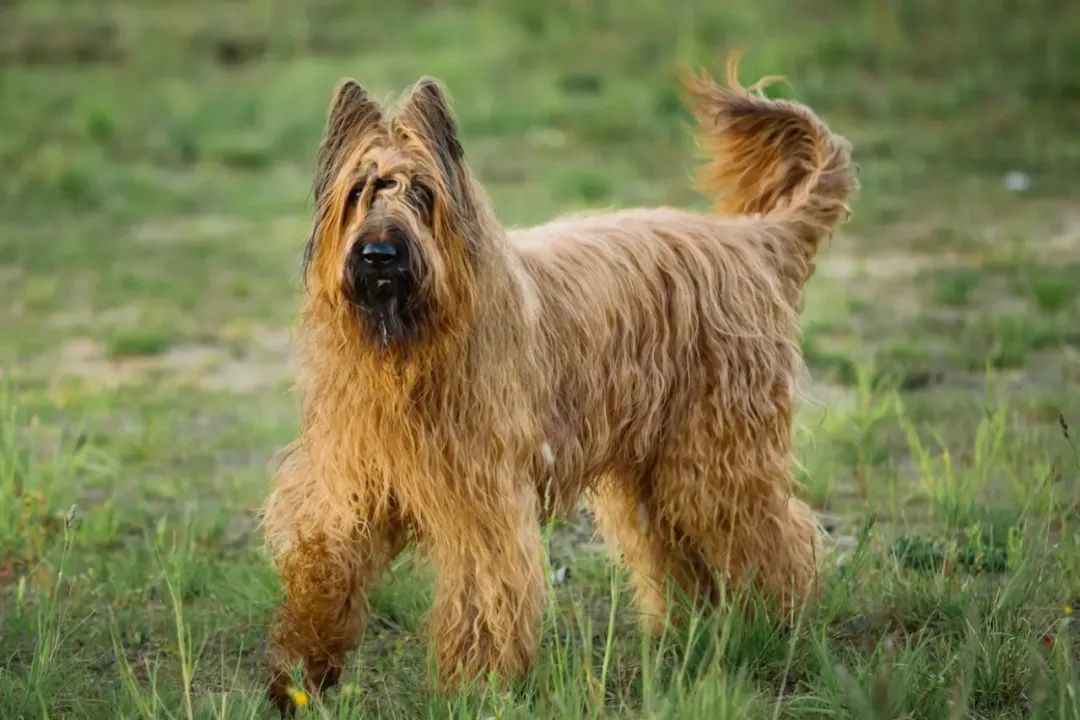
The French Loyal Companion: The History and Modern Appeal of the BriardThe French Loyal Companion: The History and Modern Appeal of the BriardThe Briard, one of France’s oldest herding dog breeds, traces its origins back to the 8th century AD, with legends linking it to Charlemagne’s favor13. The breed’s name may derive from "Chien d'Aubry," a 12th-century hound celebrated for defending its master, Lord of Montdidier, against assassins13. In the 18th century, French veterinarian François Rozier first documented "berger" (shepherd) dogs in his work, and the Briard’s official standard was established by the French Shepherd Dog Club in 189613.
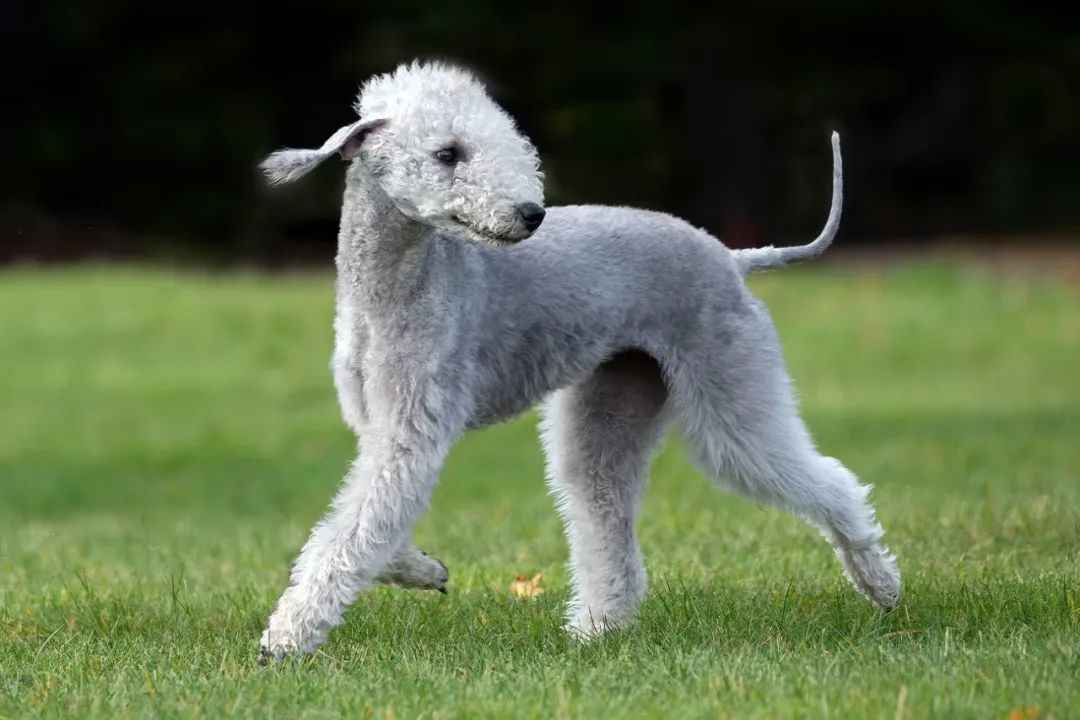
Bedlington Terrier: A Distinctive British Dog BreedBedlington Terrier: A Distinctive British Dog BreedThe Bedlington Terrier originated in the UK in the 19th century1. Initially, it was named the Rothbury Terrier. At that time, it had a heavier body and shorter legs and was mainly used for hunting foxes, hares, and badgers3. From the late 18th to the early 19th century, through cross - breeding with dog breeds such as the Whippet and the Dandie Dinmont Terrier, it was improved into the current breed that is beautiful, fast, and agile while retaining its original vitality and endurance1. In 1877, the Bedlington Terrier was exhibited as a separate breed for the first time2.
A Charming German-Bred CompanionA Charming German-Bred CompanionThe Biewer Terrier, a captivating toy breed originating from Germany, has gained global attention for its striking tri-colored coat and lively demeanor. In 1984, breeders Werner and Gertrud Biewer accidentally produced a piebald Yorkshire Terrier puppy with a recessive gene, leading to a distinct black, white, and tan coat pattern. After decades of selective breeding, the breed was genetically recognized as a standalone canine variety in 2007 and officially accepted by the American Kennel Club (AKC) in 2021, marking it as the 197th AKC-registered breed41012.
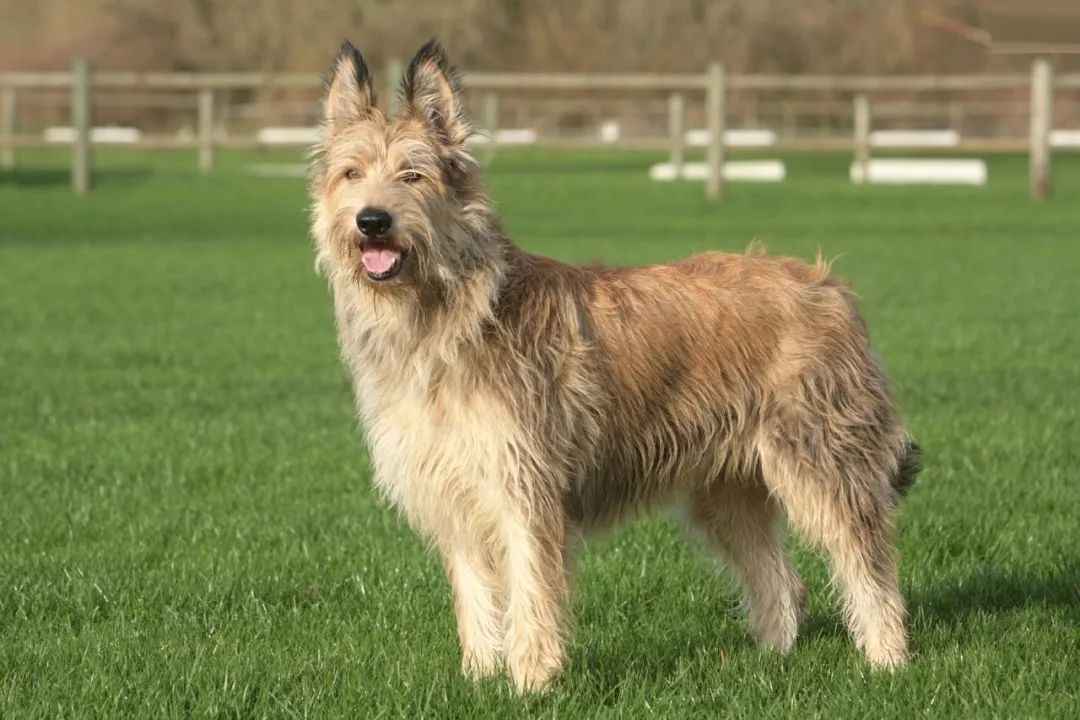
Revealed: The Resilient Legacy of the Berger Picard, France’s Ancient Herding GuardianRevealed: The Resilient Legacy of the Berger Picard, France’s Ancient Herding GuardianThe Berger Picard, a rugged and intelligent herding breed hailing from France’s Picardy region, has captivated dog enthusiasts with its ancient lineage and remarkable survival story. Revered as one of France’s oldest sheepdogs, this breed traces its roots back to the 9th century, when Celtic herders introduced it to northern France 1. Often called the "Picardy Shepherd," it shares genetic ties with breeds like the Briard and Beauceron, though its distinct rustic charm and problem-solving abilities set it apart 110.
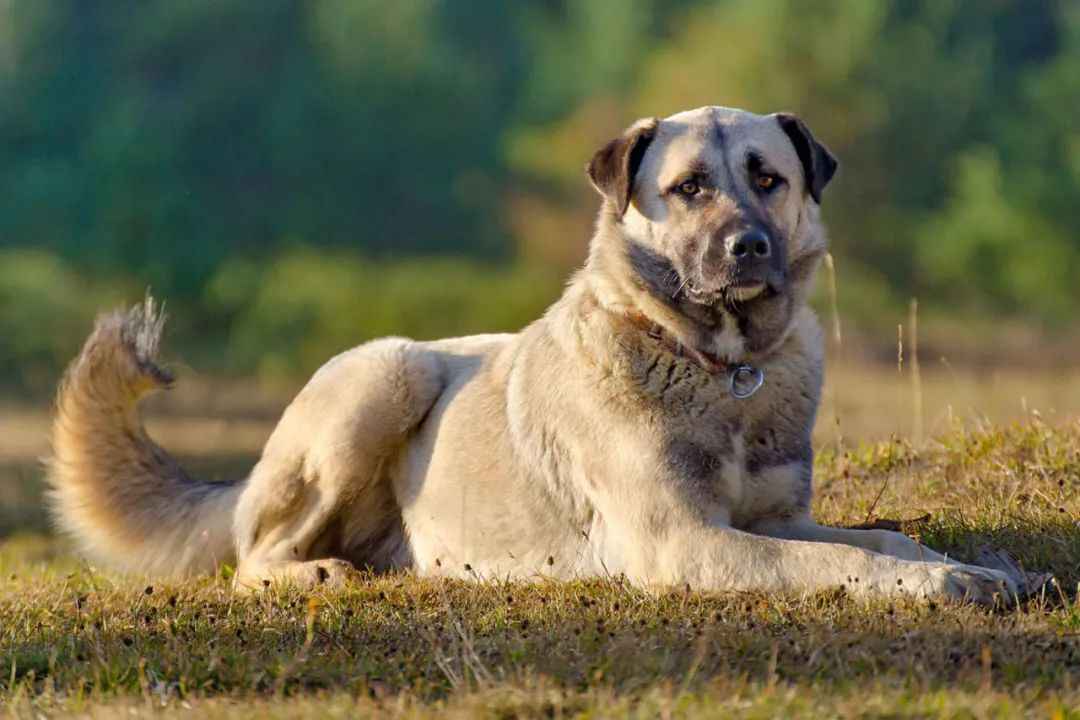
Anatolian Shepherd Dog: The Ancient Guardian of Livestock with Unwavering LoyaltyAnatolian Shepherd Dog: The Ancient Guardian of Livestock with Unwavering LoyaltyOriginating from the Anatolian region of Turkey, the Anatolian Shepherd Dog is one of the world's oldest herding breeds, with a history dating back to the Babylonian period (2800–1800 BCE)12. Initially bred as military dogs for territorial defense, they transitioned to livestock guardianship in modern times1. Renowned for their protective instincts and independence, these dogs are widely used to shield flocks from predators like wolves and bears36.
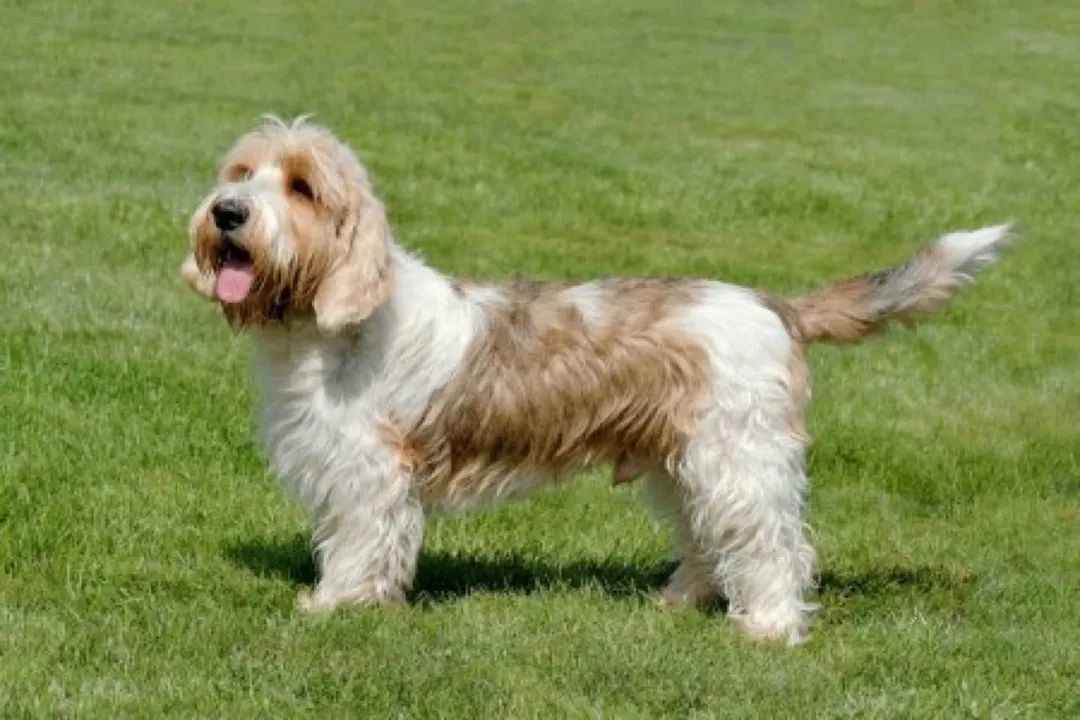
The Allure of the French Small Hound: The Unique World of the Petit Basset Griffon VendeenThe Allure of the French Small Hound: The Unique World of the Petit Basset Griffon VendeenThe Petit Basset Griffon Vendeen (PBGV for short) originates from the Vendée region of France, a historic scent hound with deep roots. Its name, meaning "small short-legged rough-haired hound from Vendée" in French, perfectly encapsulates the breed's core traits: a compact build (13-15 inches in height), short sturdy legs, and a rough, tousled coat that gives it the charm of a fairy-tale sprite.
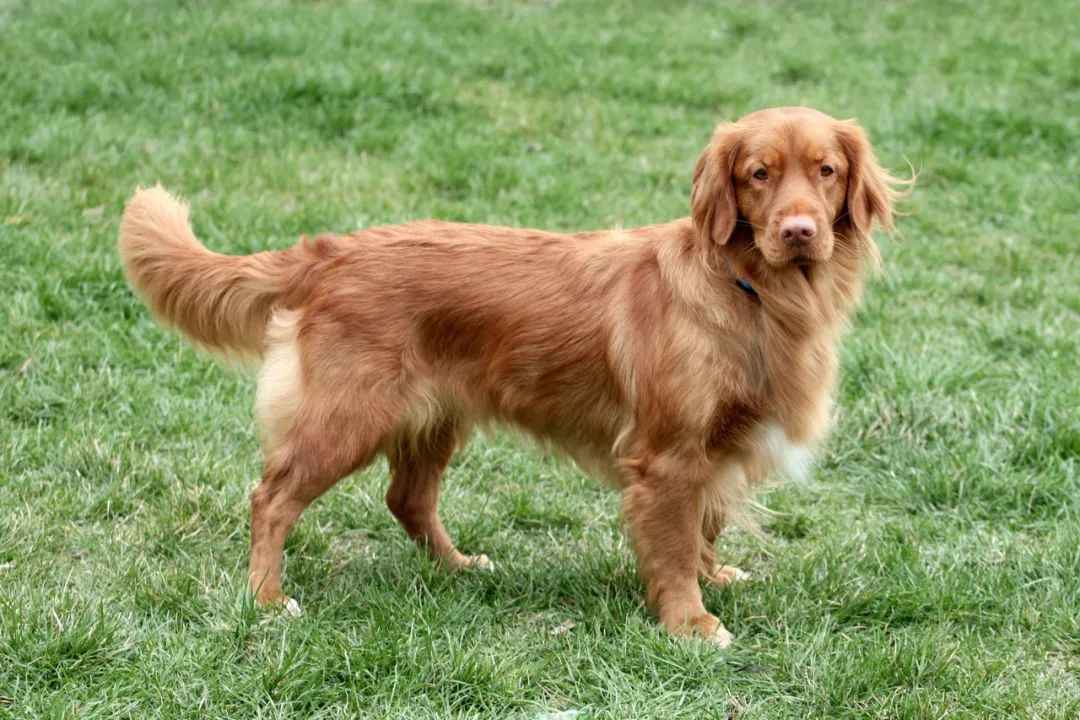
Scotia Duck Tolling Retriever: The Canine Marvel of Coastal CanadaScotia Duck Tolling Retriever: The Canine Marvel of Coastal CanadaThe Nova Scotia Duck Tolling Retriever, affectionately known as the "Toller," is a breed steeped in history and uniquely adapted to its coastal Canadian origins. Developed in the 19th century in Nova Scotia, these medium-sized dogs were meticulously bred for a specialized role: luring waterfowl within hunting range through playful antics, then retrieving downed birds with precision and enthusiasm 48. Their name itself reflects this dual purpose—"tolling" derived from the Middle English term for "to lure," while "retriever" highlights their aquatic recovery skills.
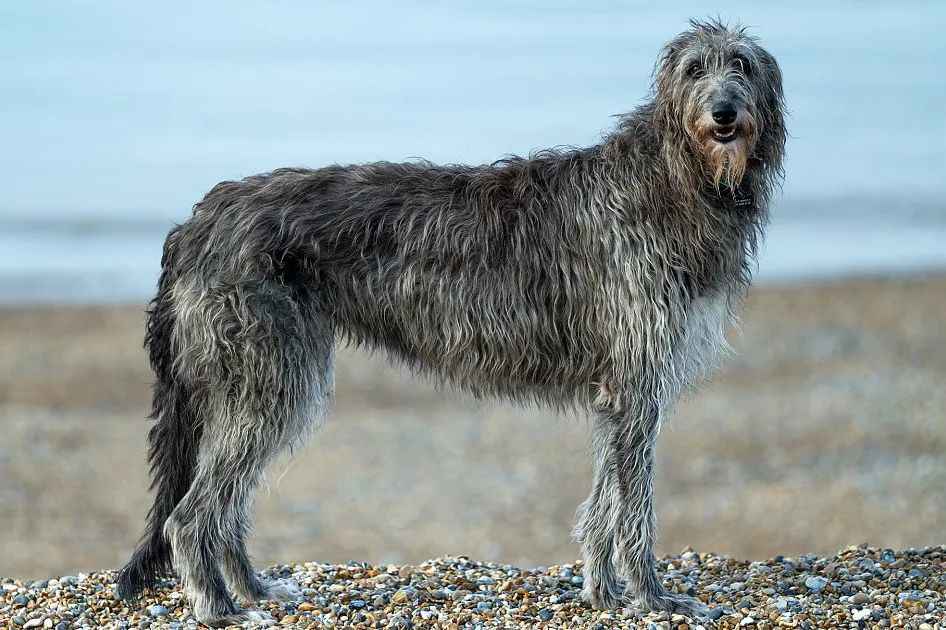
Majestic Scottish Deerhound: A Legacy of Grace and CourageMajestic Scottish Deerhound: A Legacy of Grace and CourageThe Scottish Deerhound, often hailed as the "Royal Dog of Scotland," is a breed steeped in history and revered for its noble lineage. Originating in ancient Scotland, these regal hounds were meticulously bred to hunt the mighty red deer in the rugged Highlands, where their speed, agility, and unwavering courage made them indispensable to Scottish nobility. Medieval records reveal that only those of could own a Deerhound, and their value was so profound that three of these dogs could even secure a death-row noble’s reprieve1.
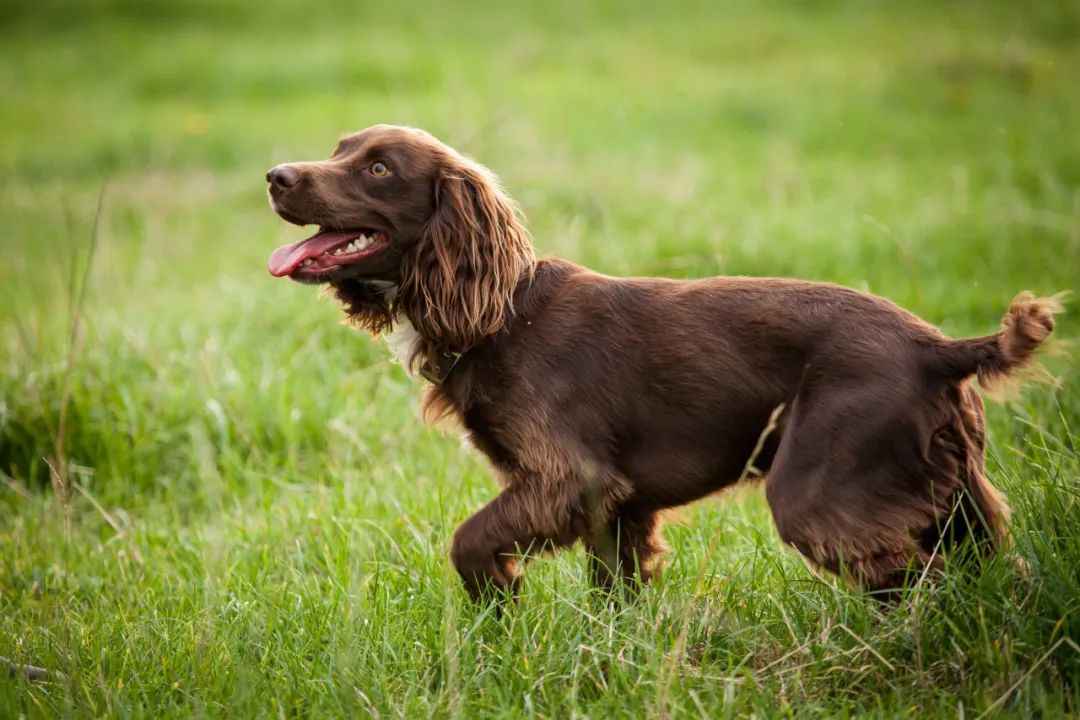
South Carolina’s Beloved Sporting Dog with Rich HeritageSouth Carolina’s Beloved Sporting Dog with Rich HeritageThe Boykin Spaniel, affectionately known as the "Little Brown Dog," is a breed deeply rooted in South Carolina’s history and culture. Originating in the early 1900s, its story begins with a stray dog named "Dumpy," found by Alexander White in Spartanburg. Recognizing Dumpy’s hunting potential, White entrusted the dog to his friend Lemuel Whitaker Boykin, whose breeding program—incorporating Chesapeake Bay Retrievers, Springer Spaniels, and American Water Spaniels—gave birth to the Boykin Spaniel. In 1985, the breed was designated South Carolina’s official state dog, and it earned AKC recogniti
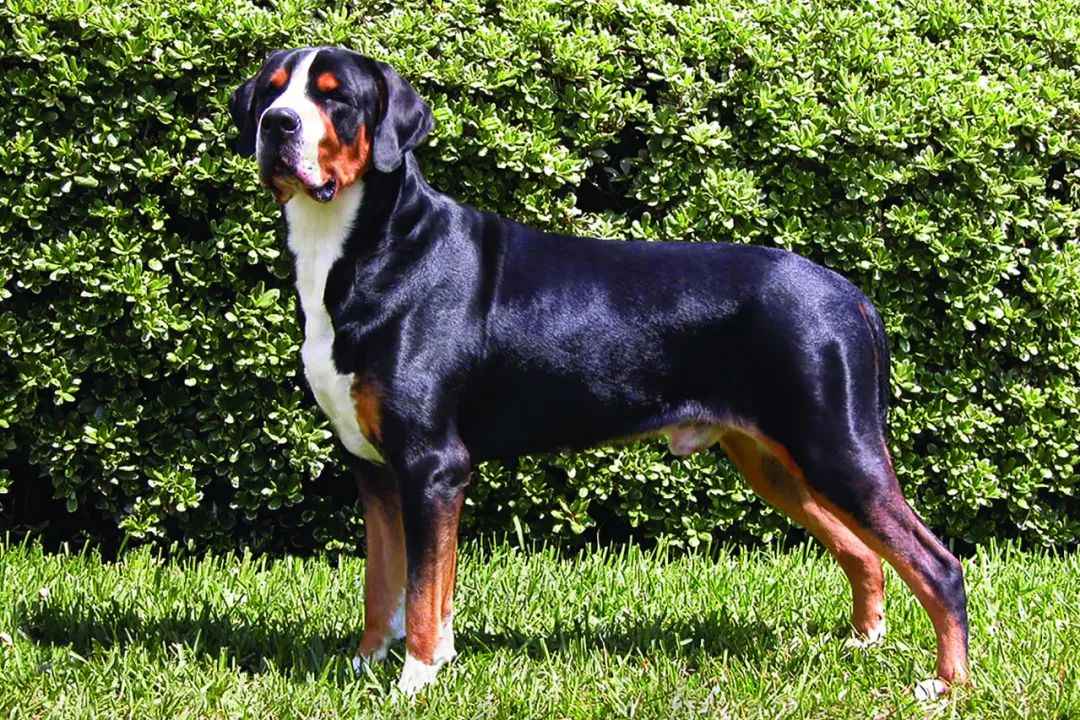
The Majestic Guardian of the AlpsThe Majestic Guardian of the AlpsThe Greater Swiss Mountain Dog, one of Switzerland's oldest breeds, traces its roots back to ancient Rome. In 58 BCE, Roman legions introduced mastiffs to the Swiss Alps, which interbred with local dogs to form this distinctive breed1. For centuries, they served as indispensable farmhands in remote Alpine regions, herding livestock, guarding homes, and pulling carts laden with goods14. By the late 19th century, industrialization nearly drove them to extinction until canine expert Dr. Albert Heim rediscovered the breed in 1908. The Swiss Kennel Club officially recognized it in 1910, and the Ame
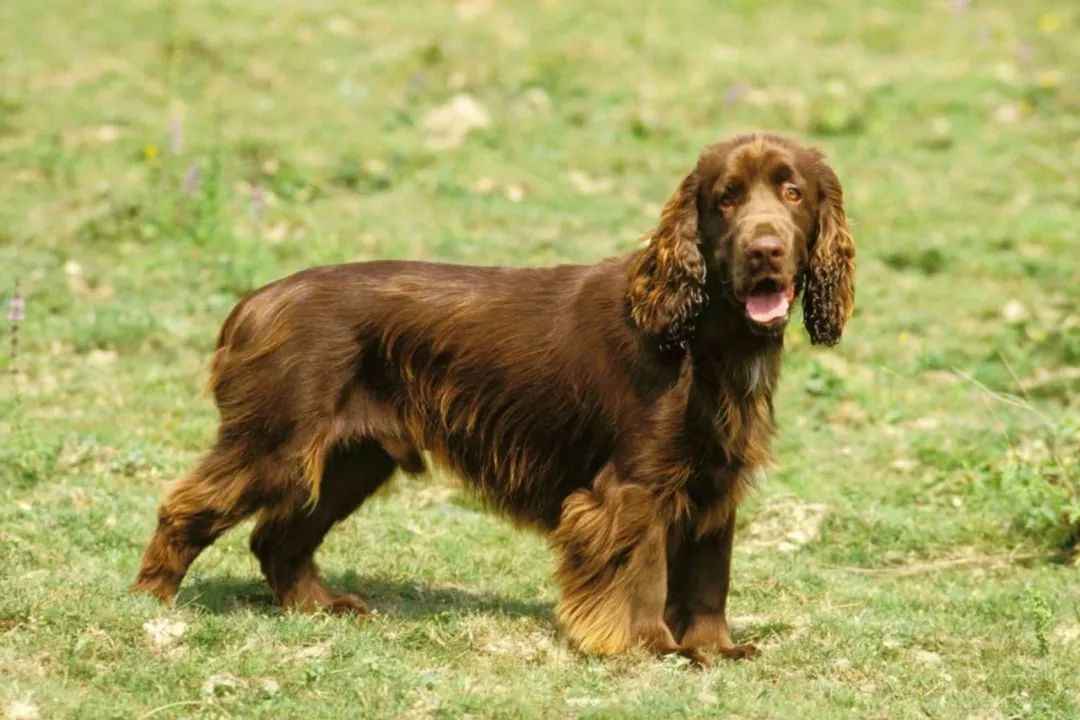
Field Spaniel: A Resilient Sporting Breed with a Rich HeritageField Spaniel: A Resilient Sporting Breed with a Rich HeritageOriginating in 19th-century England, the Field Spaniel is a medium-sized sporting dog developed through crosses of English Springer Spaniels, Cocker Spaniels, and Sussex Spaniels. Bred to excel in diverse terrains, this breed was officially recognized in 1892 for individuals exceeding 25 pounds, while smaller variants became English Cocker Spaniels23. However, excessive focus on exaggerated physical traits in early breeding led to health issues and near-extinction. A revival in the 1940s through selective crossbreeding with Cockers and Springers restored its functional form23.
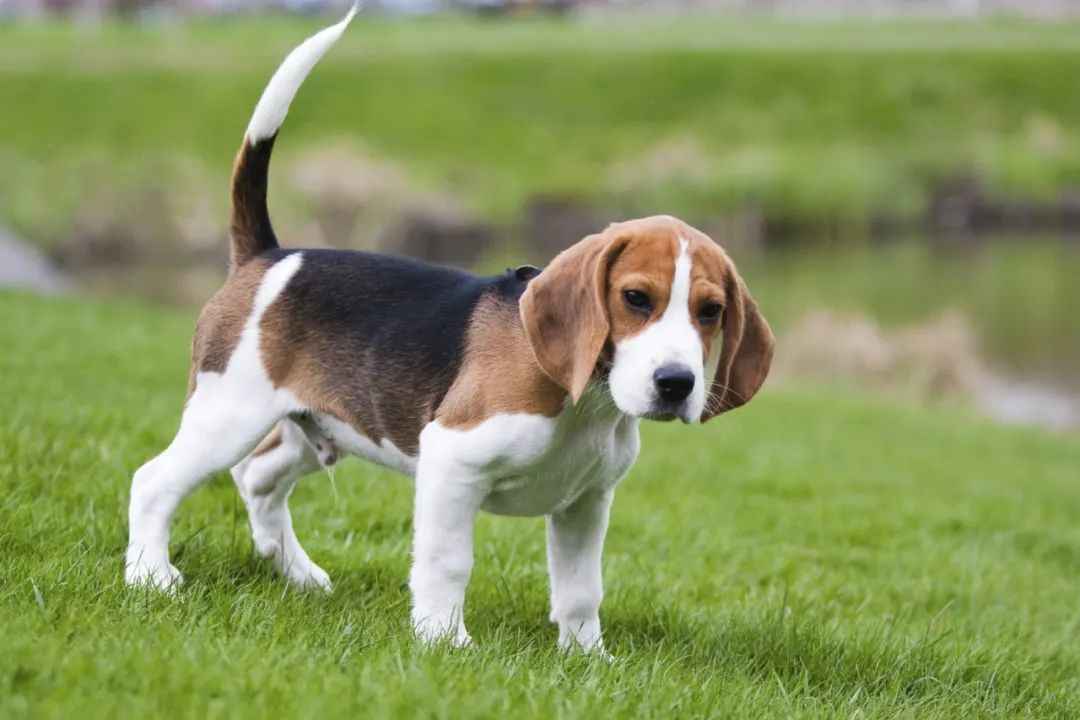
From Royal Hunting Grounds to Loyal Companions in Modern HomesFrom Royal Hunting Grounds to Loyal Companions in Modern HomesThe English Beagle, a historic hound breed, traces its origins back to medieval England. Initially developed by crossbreeding ancient Greek harehounds with native English hounds, it was refined in the 16th century to specialize in hunting hares for British royalty, earning the nickname "rabbit killer." The breed was officially recognized by the American Kennel Club (AKC) in 1885, and over time, its role shifted from hunting to becoming a beloved family companion. In 2023, it ranked 8th among the most popular dog breeds in the U.S.
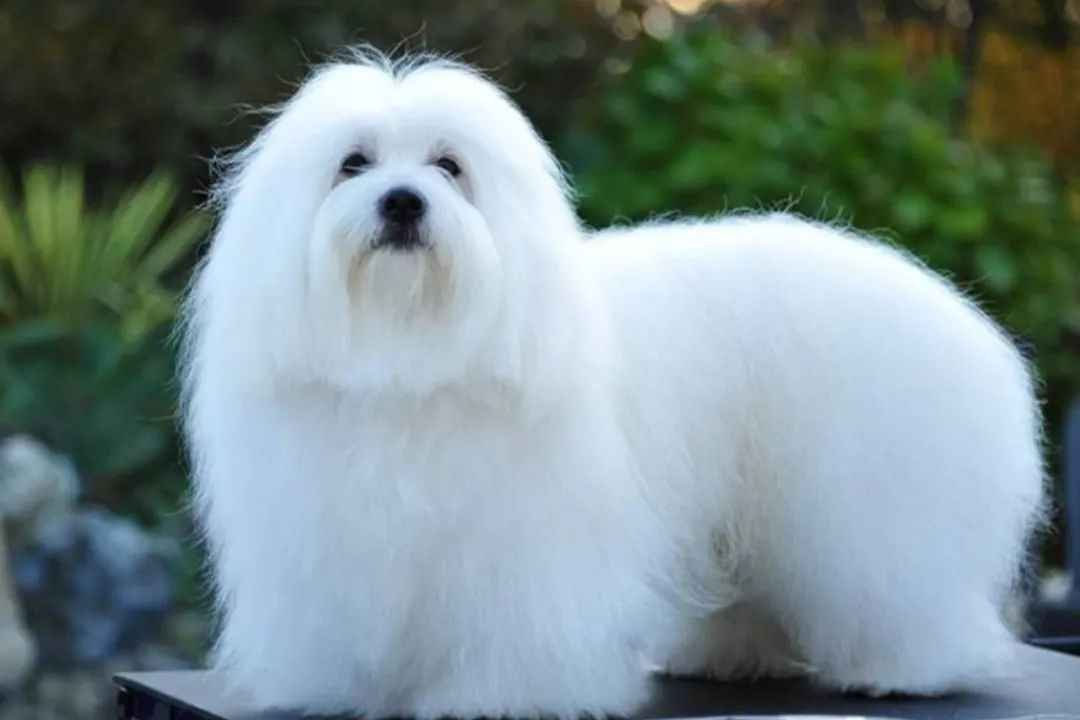
Madagascar’s Royal Coton De Tulear: History, Characteristics, and Modern ChallengesMadagascar’s Royal Coton De Tulear: History, Characteristics, and Modern ChallengesThe Coton De Tulear, affectionately known as the "Cotton Ball Dog," is a rare companion breed from Madagascar celebrated for its soft, cotton-like white coat and gentle demeanor. Standing 25-30 cm tall and weighing 5-7 kg, this small dog has been a symbol of nobility since the 17th century, earning the title "Royal Dog of Madagascar" 1. The name "Coton" refers to its fluffy texture, while "Tulear" honors the Malagasy port city where the breed originated 2.
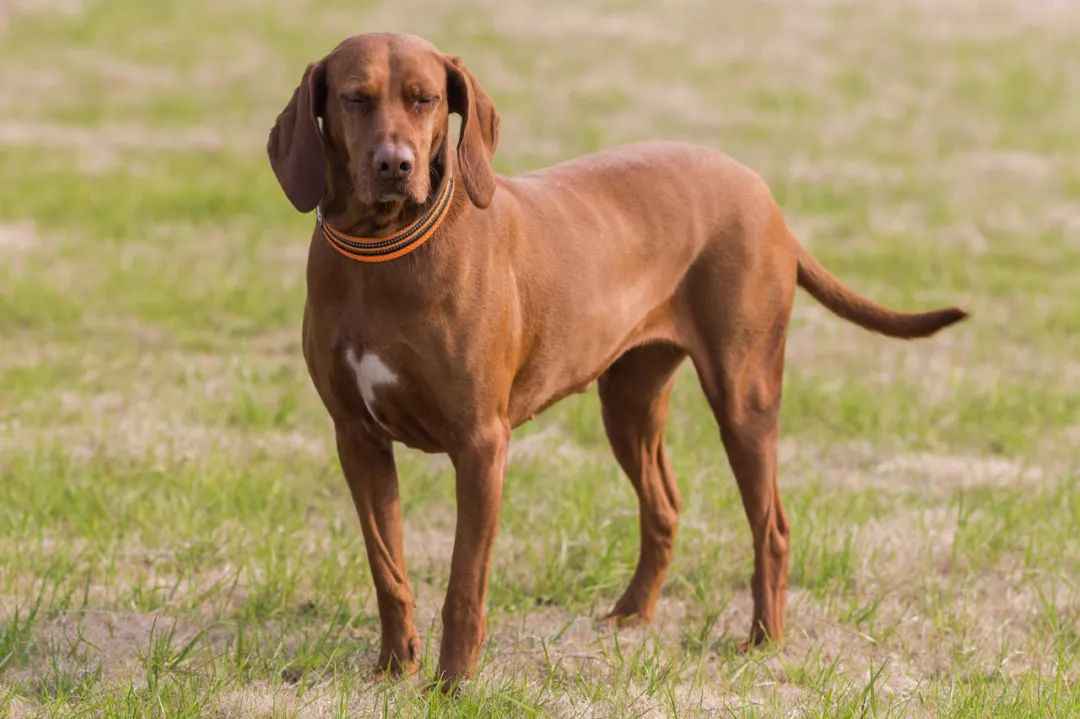
Redbone Coonhound: The Southern U.S. Bloodline Hunter and Modern Family GuardianRedbone Coonhound: The Southern U.S. Bloodline Hunter and Modern Family GuardianThe Redbone Coonhound emerged in 19th-century Southern U.S., tracing back to Georgia plantation owner L.F.W. Birdsong’s breeding program. Aiming to create a dog that matched red foxes’ agility, he crossbred Bloodhounds with Irish Foxhounds to craft a breed combining speed and scenting prowess. Recognized by the United Kennel Club (UKC) in 1902 and later admitted to the American Kennel Club (AKC) in 2010, its name likely stems from early breeder Peter Redbone or its distinctive mahogany coat. Notably, the breed maintains steady popularity in 2025, particularly among outdoor enthusiasts.
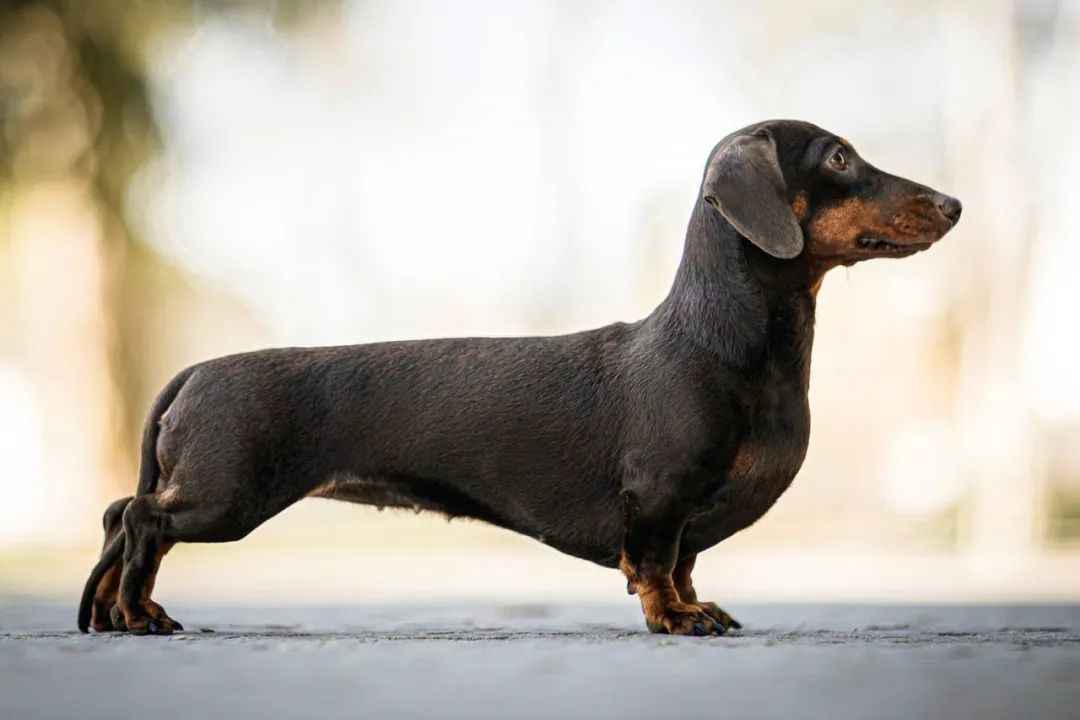
Dachshunds: A Blend of Adorability and ResilienceDachshunds: A Blend of Adorability and ResilienceRenowned for their elongated frames and stubby legs, Dachshunds—affectionately dubbed "wiener dogs"—have won global hearts with their unique allure and unexpected resilience. Recent trends underscore their surging popularity, driven by urban living needs and social media influence, yet their appeal traces back to centuries as skilled hunters.
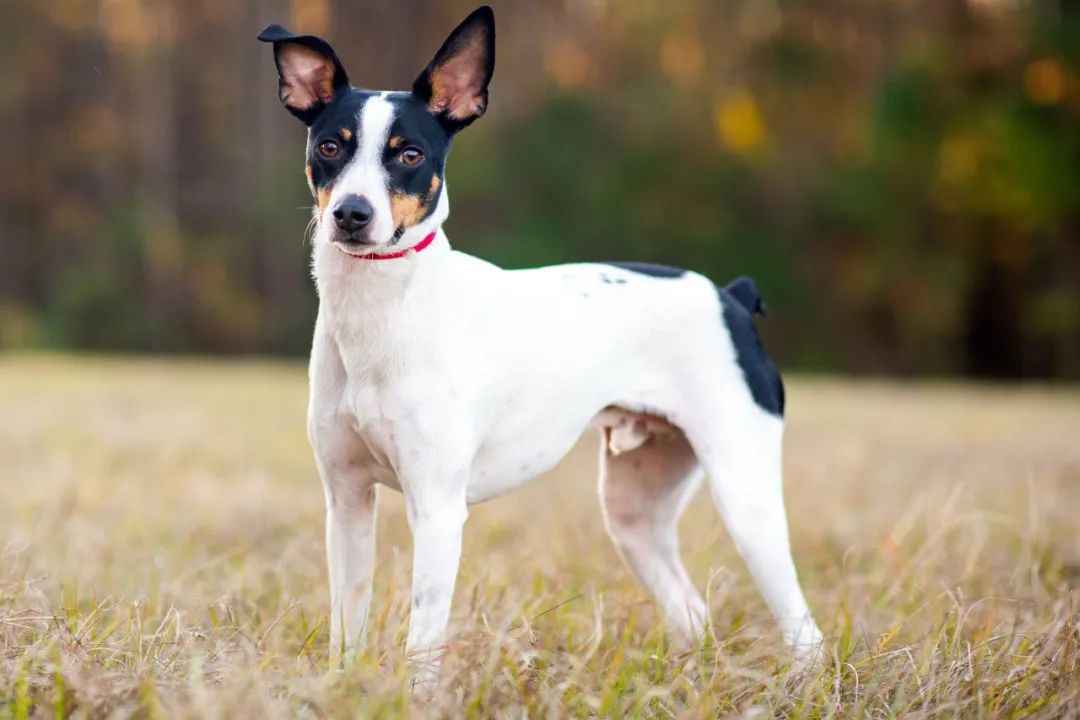
The Versatile Companion with a Rich Heritage Subtitle: From Farm Pest Control to Beloved Family PetThe Versatile Companion with a Rich Heritage Subtitle: From Farm Pest Control to Beloved Family PetThe Rat Terrier, a spirited and agile breed with roots deeply embedded in American history, has evolved from a farmstead workhorse to a cherished household companion. Originating in the 19th century, these dogs were meticulously developed by crossbreeding English Smooth Fox Terriers, Manchester Terriers, and Whippets to create a versatile hunting and vermin-control dog14. Their name reflects their primary purpose: eradicating rat infestations on farms, a role they excelled at due to their speed, tenacity, and sharp instincts. Notably, they were even favored by President Theodore Roosevelt, who