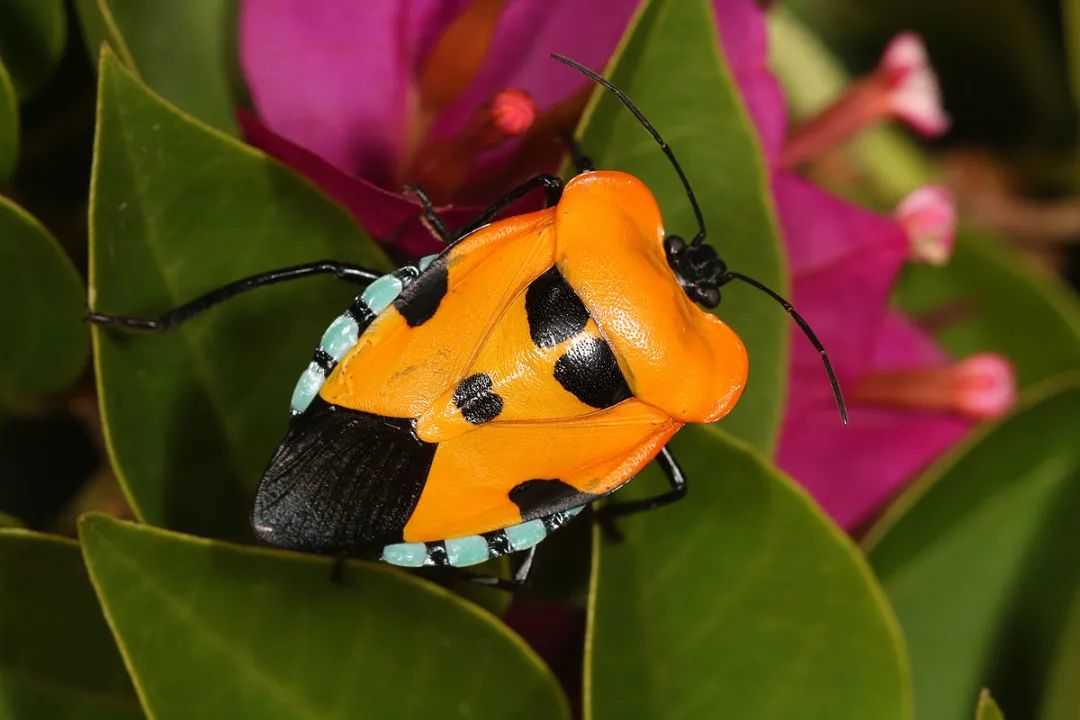
Hemiptera: The Diverse 'True Bugs' Shaping Ecosystems and Human InteractionsHemiptera: The Diverse 'True Bugs' Shaping Ecosystems and Human Interactions
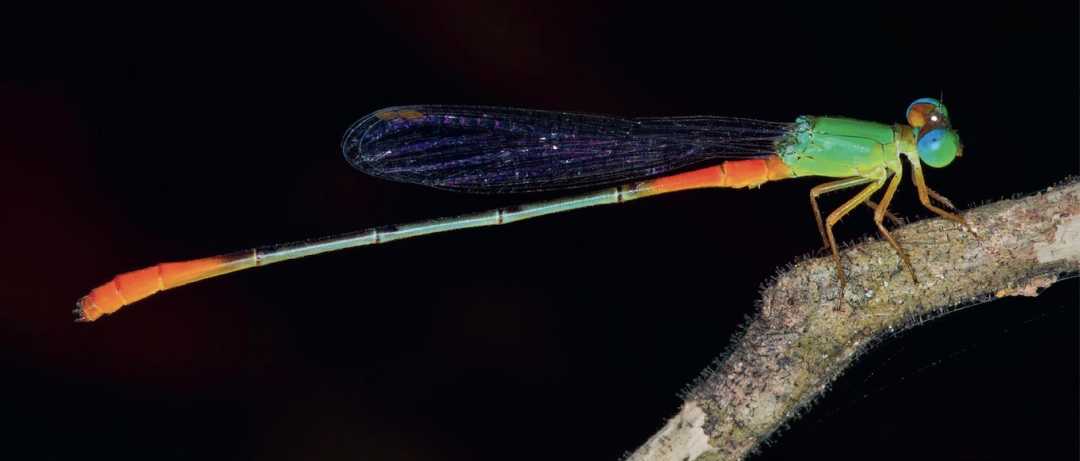
Stunning Damselfly Brightens Sri Lankan Rainforests: The Vibrant Ceriagrion cerinorubellumStunning Damselfly Brightens Sri Lankan Rainforests: The Vibrant Ceriagrion cerinorubellum
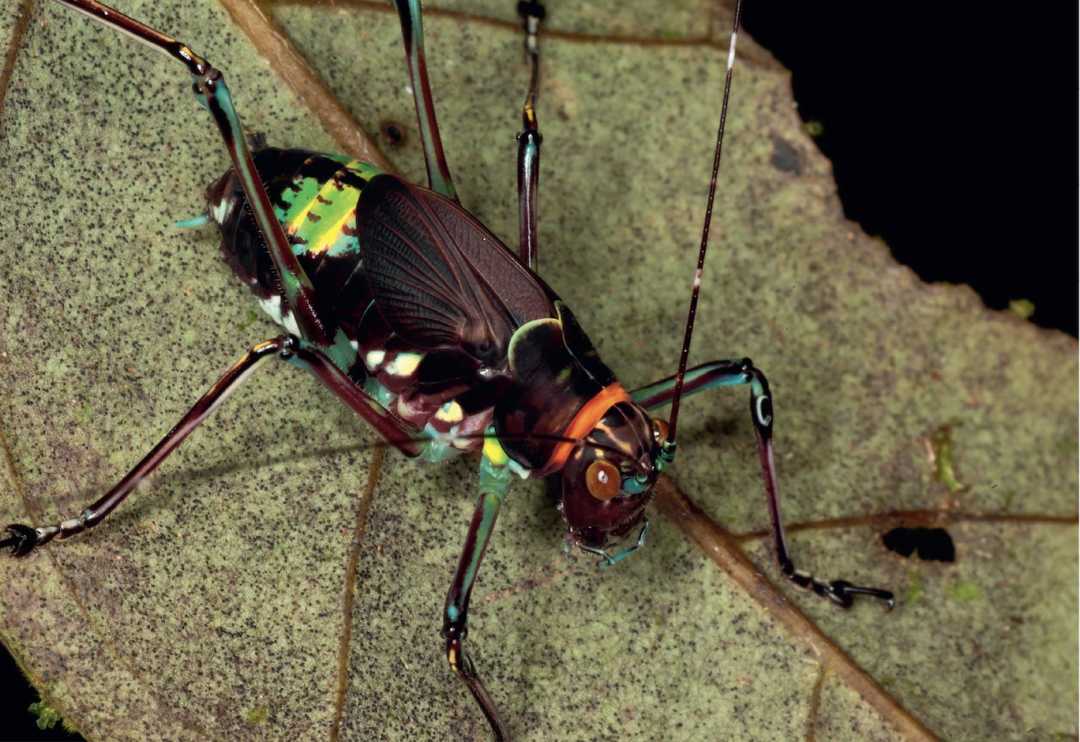
Eye-Catching New Guinea Katydid Nymph Approaches Adulthood in Final InstarEye-Catching New Guinea Katydid Nymph Approaches Adulthood in Final Instar
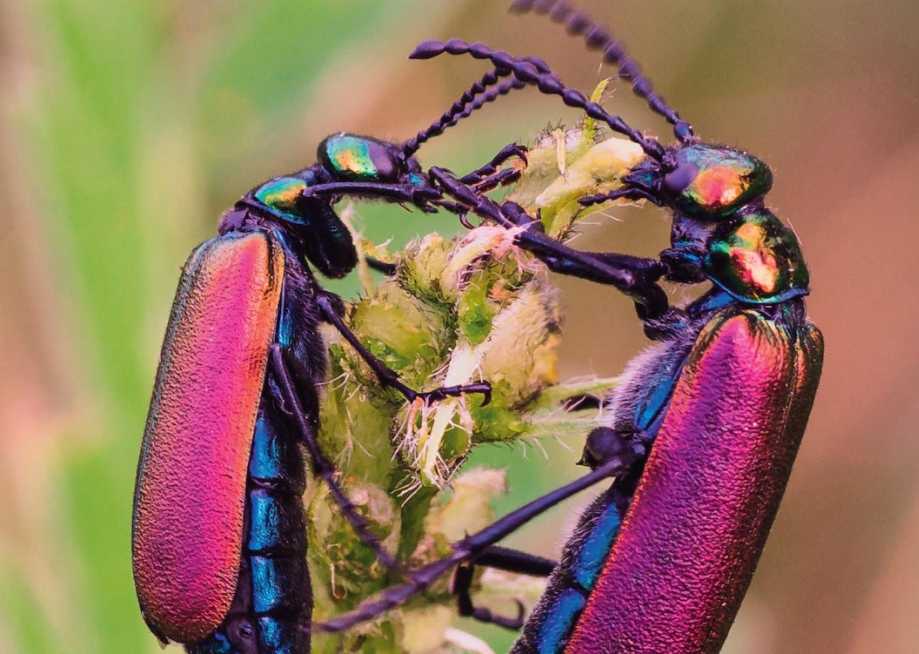
Lytta nuttalli: North America's Most Dazzling Beetle Harbors a Toxic SecretLytta nuttalli: North America's Most Dazzling Beetle Harbors a Toxic Secret
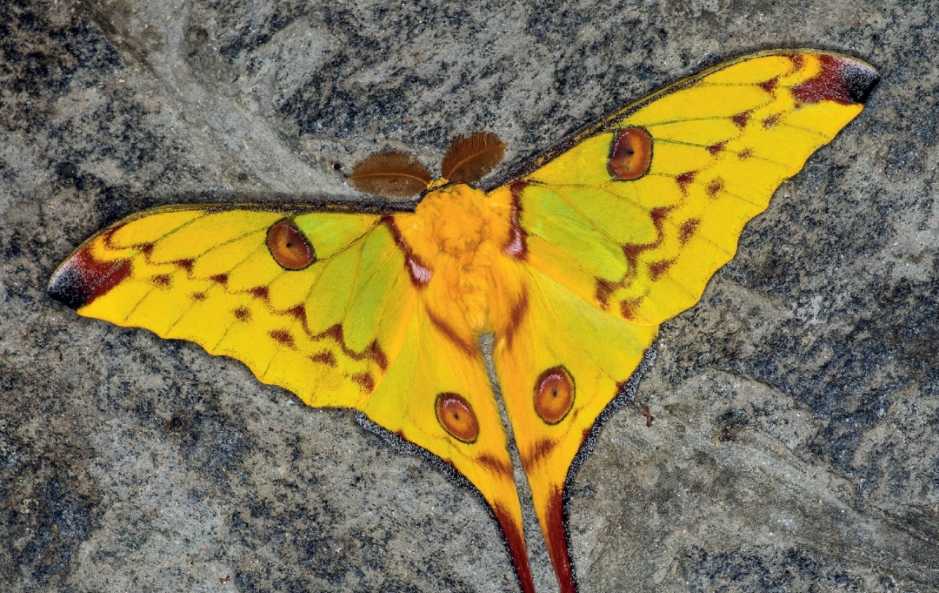
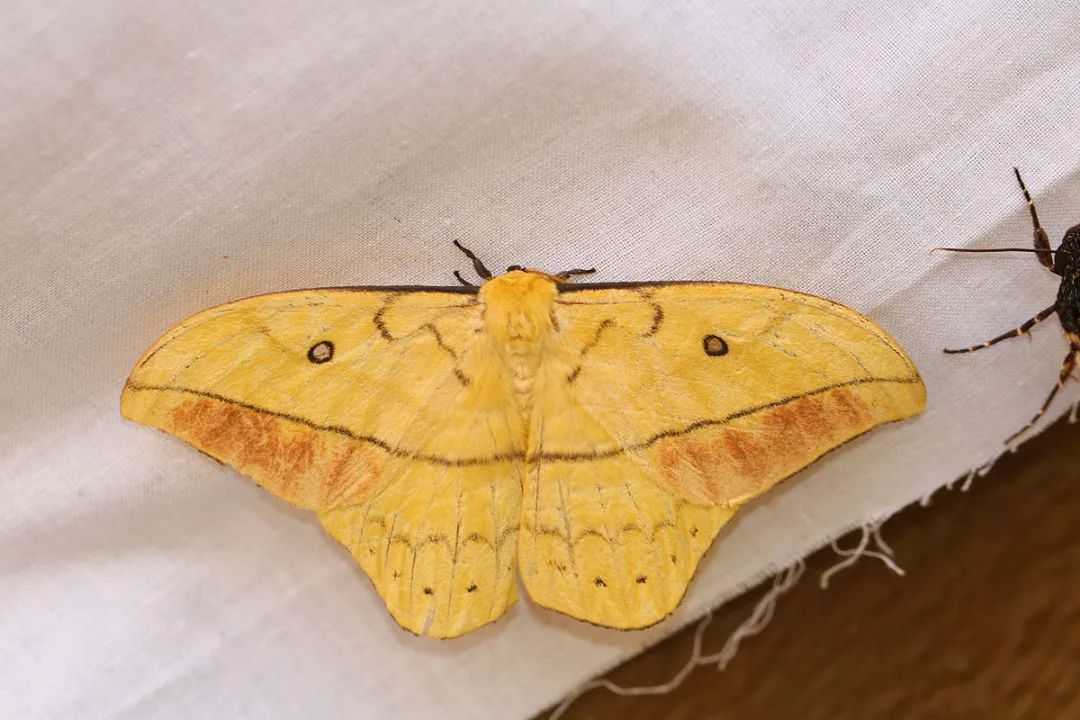
Argema mittrei: Madagascar's Majestic Comet Moth with Dazzling Tail TrailsArgema mittrei: Madagascar's Majestic Comet Moth with Dazzling Tail TrailsHailing from the eastern rainforests of Madagascar, the Argema mittrei, or Comet Moth, captivates with its ethereal grace. This lepidopteran giant glides through the forest canopy with a slow, deliberate flight, its elongated tail projections swaying like silken streamers. Measuring 160 mm in both body length and wingspan, it commands attention as one of the most striking moths in the insect kingdom.
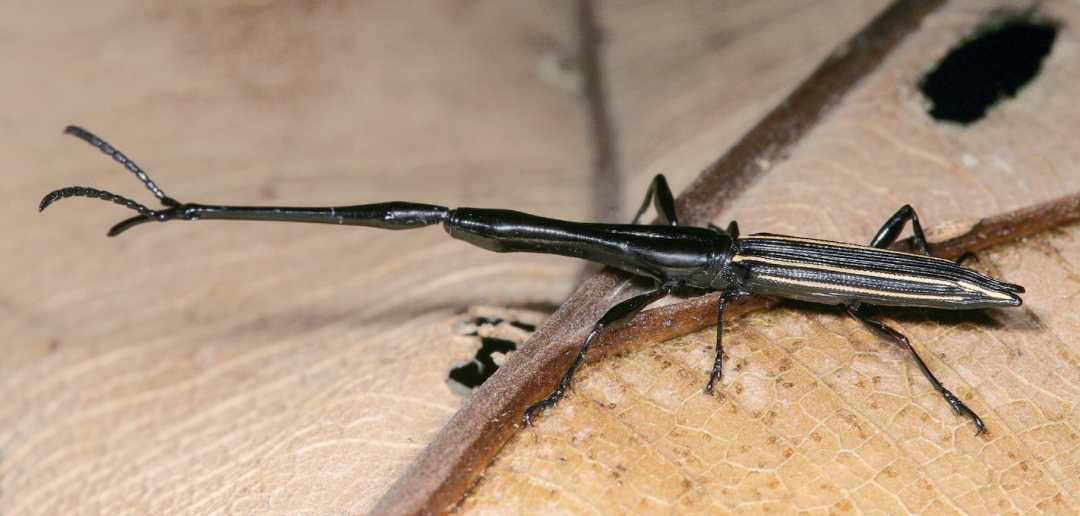
Costa Rica's Slender Weevil: The Three-Cone Beetle with a Remarkable Elongated SnoutCosta Rica's Slender Weevil: The Three-Cone Beetle with a Remarkable Elongated SnoutIn the lush rainforests of Costa Rica, the three-cone weevil (a member of the Brentidae family) stands out with its strikingly slender form, measuring 25 mm in length. Yet its most defining feature is an elongated rostrum— or "snout"—that can grow as long as its body, giving the insect a unique, almost surreal appearance. This remarkable appendage, thin and tapered, sets it apart in the diverse world of beetles.
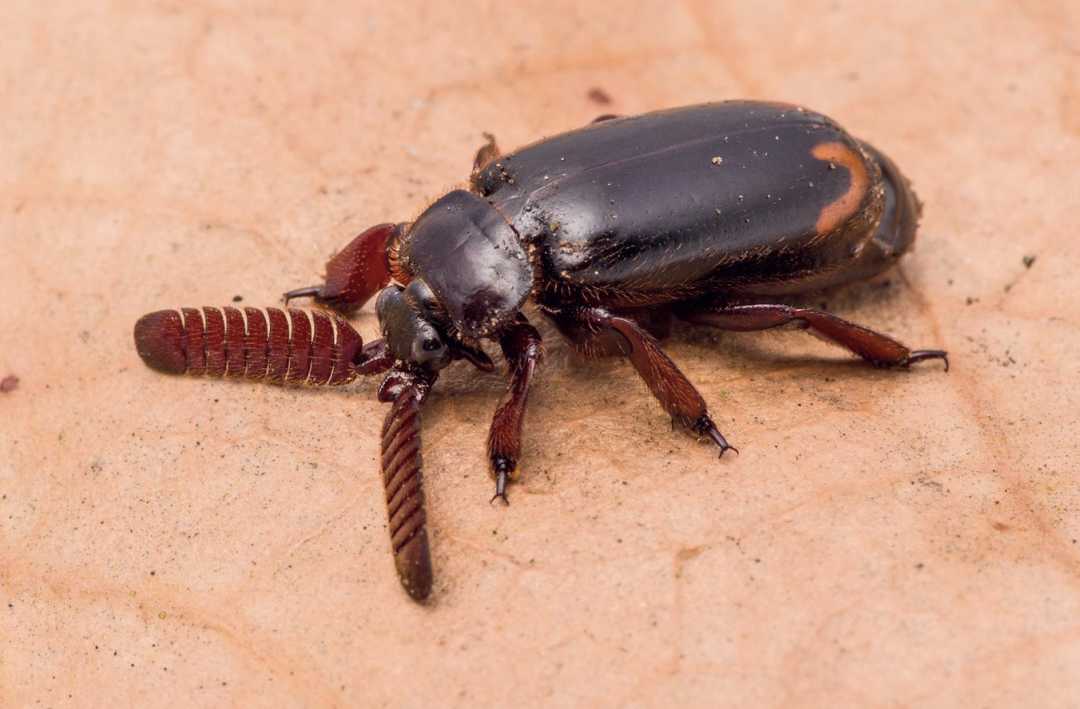
Cerapterus laceratus: Mozambique's Beetle Tricks Ants with Pheromone Mimicry and Scalding DefenseCerapterus laceratus: Mozambique's Beetle Tricks Ants with Pheromone Mimicry and Scalding DefenseThe adult and larval stages of Cerapterus laceratus, a rove beetle from Mozambique, have evolved a dual defense strategy that combines chemical trickery and fiery retaliation. By secreting compounds that mimic ant pheromones, these insects gain seamless integration into ant colonies, where they move freely without triggering aggression. This deceptive adaptation allows them to exploit ant resources while avoiding predation—a biological ruse rare in the insect world.
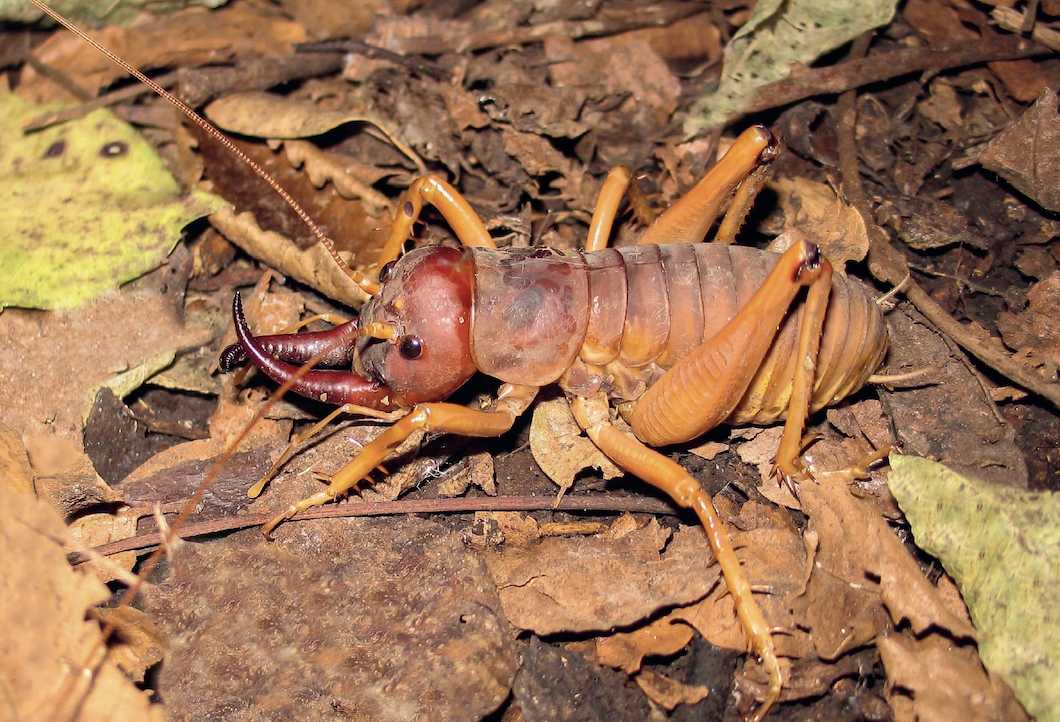
Motuweta isolata: New Zealand's Fanged Giant Weta Fights with Elaborate TusksMotuweta isolata: New Zealand's Fanged Giant Weta Fights with Elaborate TusksEndemic to New Zealand’s Mercury Islands, the Motuweta isolata, a species of giant weta, lives up to its name with a rugged, imposing appearance. The most striking feature of the male is its elongated, curved tusks—resembling miniature fangs—that evolved for ritualized combat rather than predation. Far from conventionally beautiful, its robust exoskeleton and bulky form reflect a life shaped by survival in the harsh island environment.
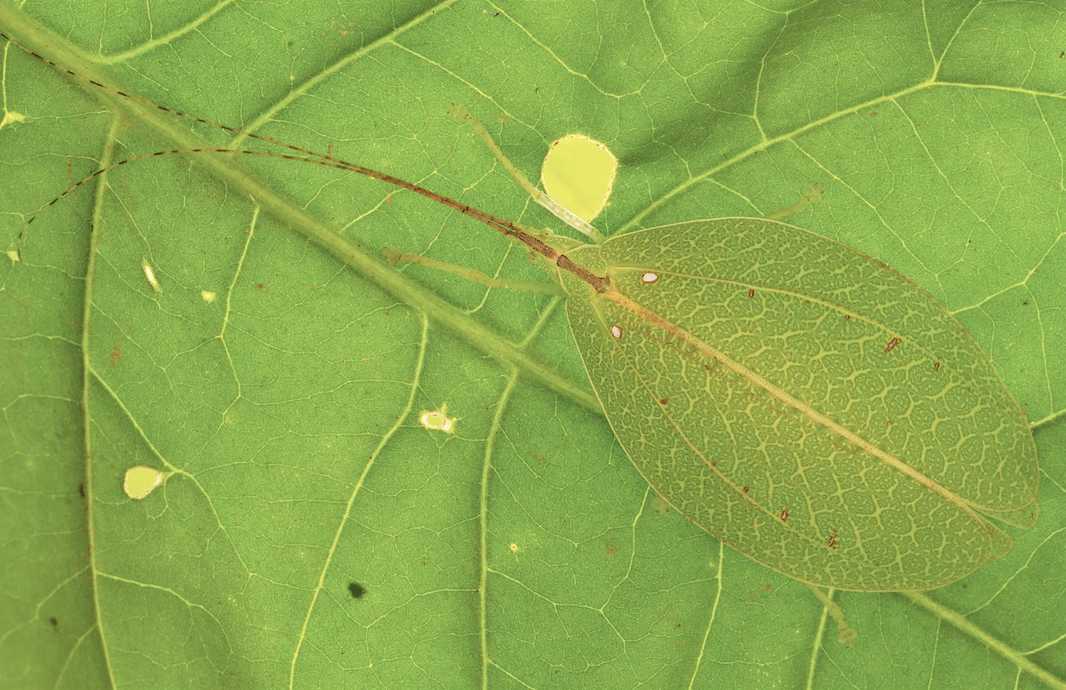
Acauloplax exigua: Mozambique's Leaf-Mimicking Katydid Blends Seamlessly with FoliageAcauloplax exigua: Mozambique's Leaf-Mimicking Katydid Blends Seamlessly with FoliageAmong the many insects that mimic leaves, the Mozambican katydid Acauloplax exigua stands out for its evolutionary mastery of camouflage. This tree-dwelling orthopteran boasts a flattened body so perfectly adapted to leaf mimicry that it vanishes against greenery, its veins and coloration mirroring the texture and hue of tropical foliage. The result is a living illusion—an insect that becomes one with its habitat at a glance.
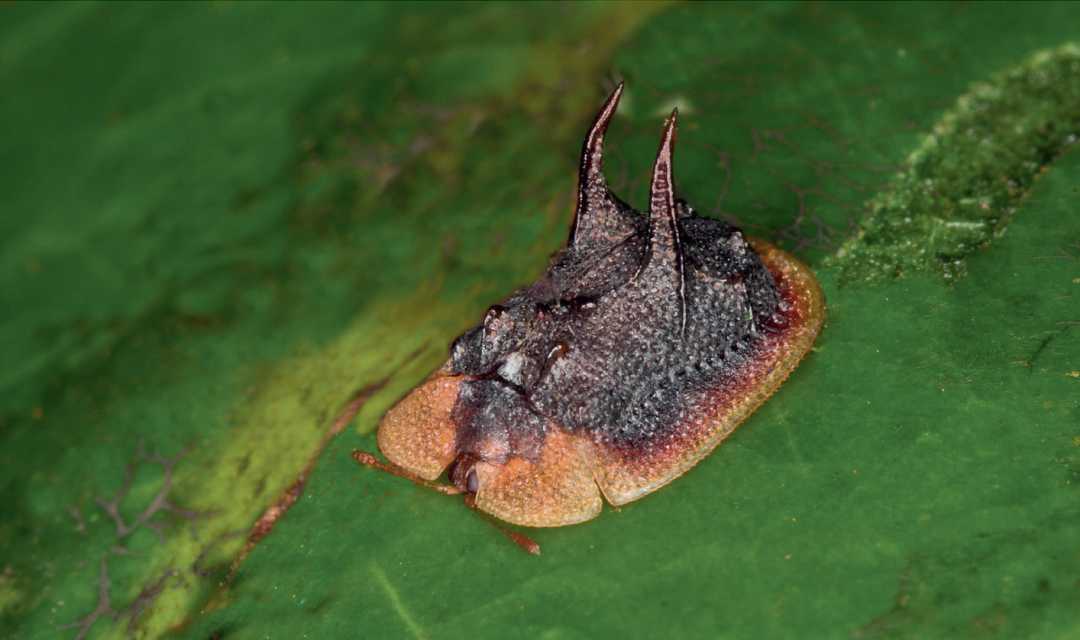
Madagascar's Demon-Horned Tortoise Beetle: A Bizarre Beauty with Fiery ProjectionsMadagascar's Demon-Horned Tortoise Beetle: A Bizarre Beauty with Fiery ProjectionsIn the realm of beetles, those adorned with devilish horns are a rarity, but a unique tortoise beetle from Madagascar defies expectations with its otherworldly appearance. This extraordinary insect sports two prominent, curved spikes on its elytra, resembling miniature demon horns that rise from its back. The contrast between its armored, domed shell and these fiery projections creates a bizarre yet captivating silhouette, making it a standout in the island’s diverse ecosystems.
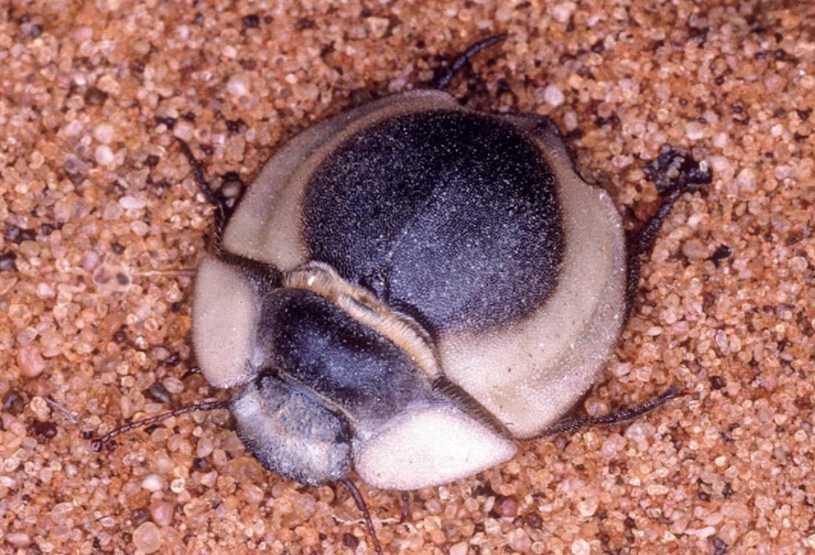
Lepidochora discoidalis: The Desert Beetle That Harvests Fog for SurvivalLepidochora discoidalis: The Desert Beetle That Harvests Fog for SurvivalAs a master of arid adaptation, Lepidochora discoidalis thrives in desert environments by transforming its body and behavior into a living water collection system. This sleek, disc-shaped beetle, native to arid regions, has evolved a glossy exoskeleton that minimizes sand adhesion, allowing it to glide effortlessly across dunes in search of food scraps. But its most remarkable trait lies in its ability to harvest moisture from the air—a crucial skill in landscapes where rainfall is almost nonexistent.
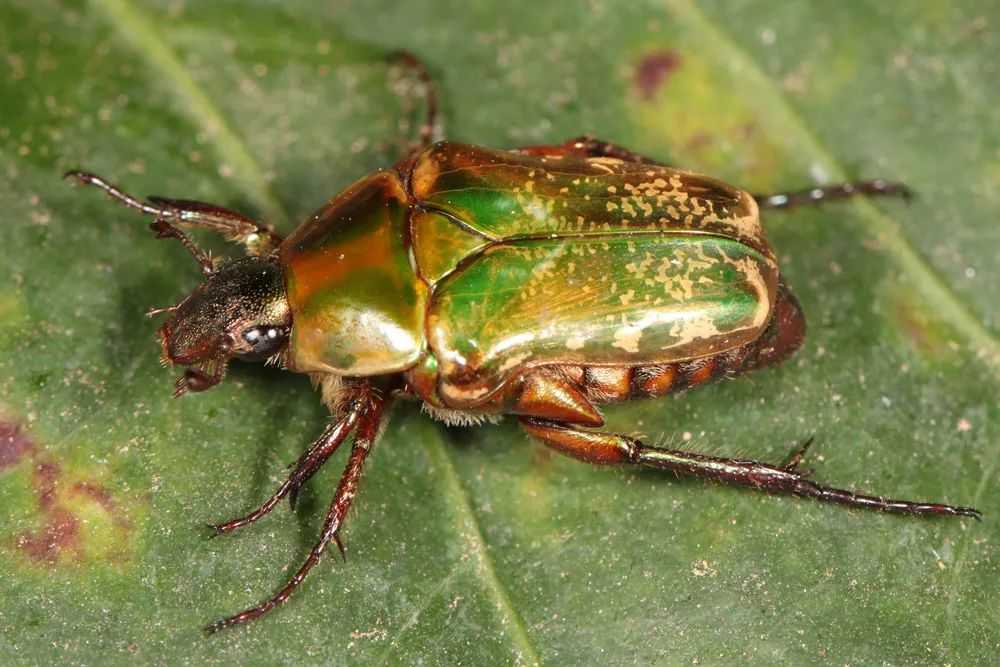
Scarab Beetles (Scarabaeidae): Jewels of the Insect WorldScarab Beetles (Scarabaeidae): Jewels of the Insect WorldScarab beetles, comprising the family Scarabaeidae, are a diverse group of coleopterans renowned for their often iridescent exoskeletons, distinctive morphology, and ecological significance. With over 30,000 species worldwide, they inhabit almost every terrestrial ecosystem, from deserts to rainforests.
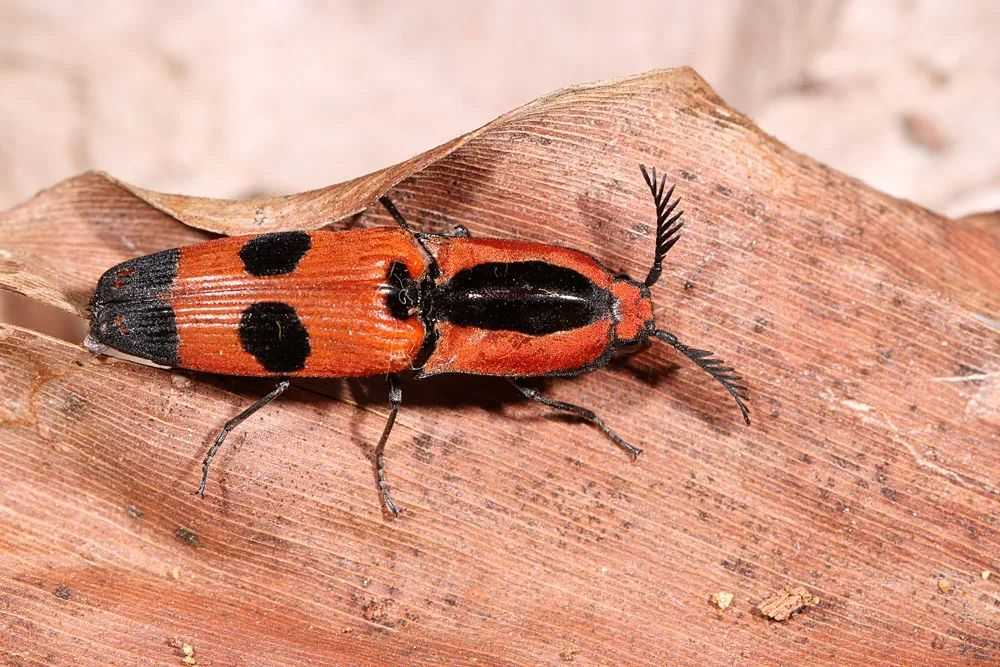
Click Beetles: Nature's Acrobatic Jumpers with a Startling Survival TrickClick Beetles: Nature's Acrobatic Jumpers with a Startling Survival TrickClick beetles, members of the family Elateridae, captivate with their unique ability to launch themselves into the air with an audible "click," a defense mechanism that has fascinated scientists and nature enthusiasts alike. Found worldwide, these beetles blend the mundane with the extraordinary, combining a modest 外形 with a spectacular biological adaptation.
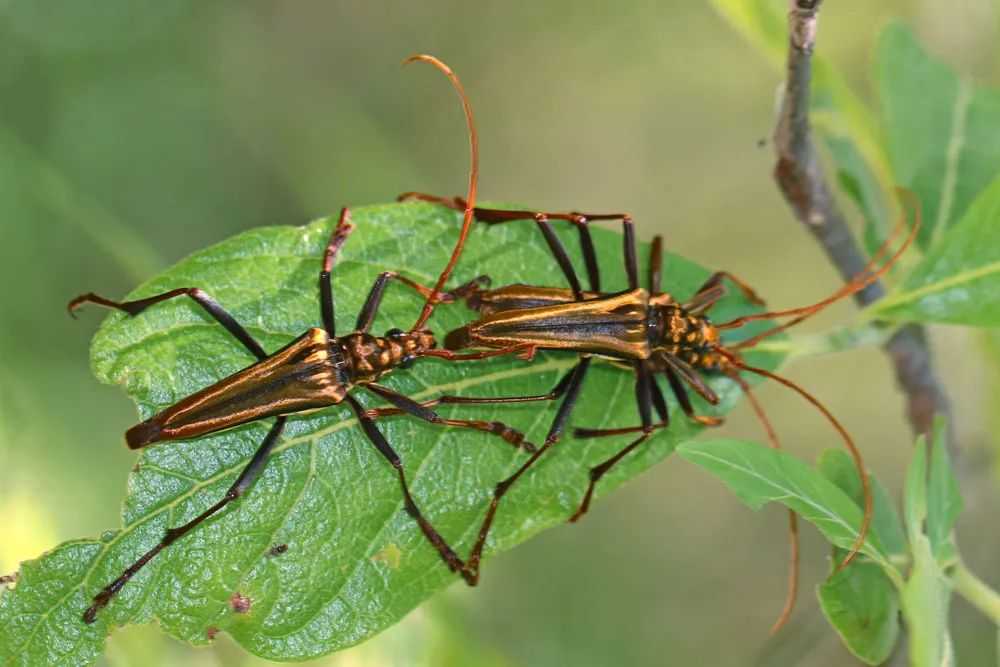
Longhorn Beetles: Elegant Forest Dwellers with a Dual ReputationLonghorn Beetles: Elegant Forest Dwellers with a Dual ReputationLonghorn beetles, belonging to the Cerambycidae family, are renowned for their striking appearance and elongated antennae, which often exceed the length of their bodies. With over 35,000 species worldwide, these insects are a common sight in forests and wooded areas, captivating onlookers with their intricate patterns and vibrant colors. Yet, beneath their aesthetic appeal lies a complex ecological role that marks them both as vital decomposers and significant agricultural pests.
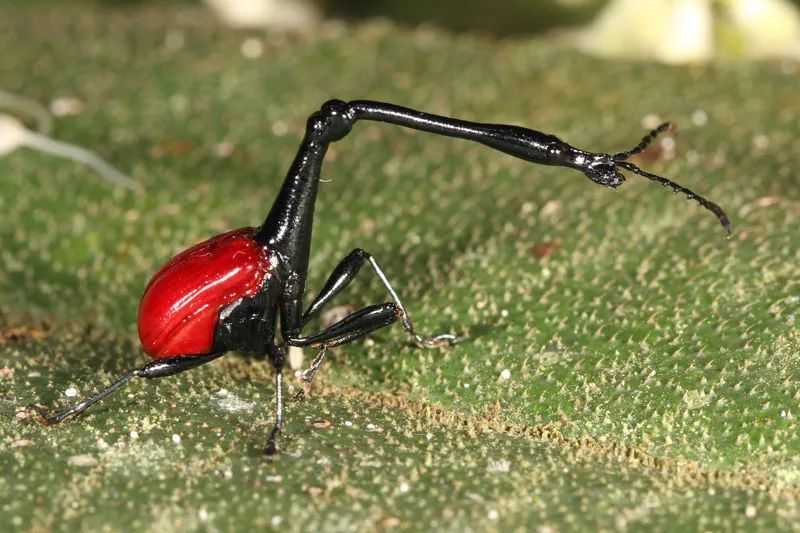
Weevils: Tiny Architects of the Insect World with a Probing PassionWeevils: Tiny Architects of the Insect World with a Probing PassionWeevils, members of the Curculionidae family, stand out among beetles for their distinctive snout-like rostrum and compact, often armored bodies. With over 97,000 species worldwide, these insects have evolved to inhabit nearly every ecosystem, from tropical rainforests to urban pantries. Their unassuming appearance belies a remarkable ability to adapt, making them both ecological contributors and occasional nuisances to human activities.
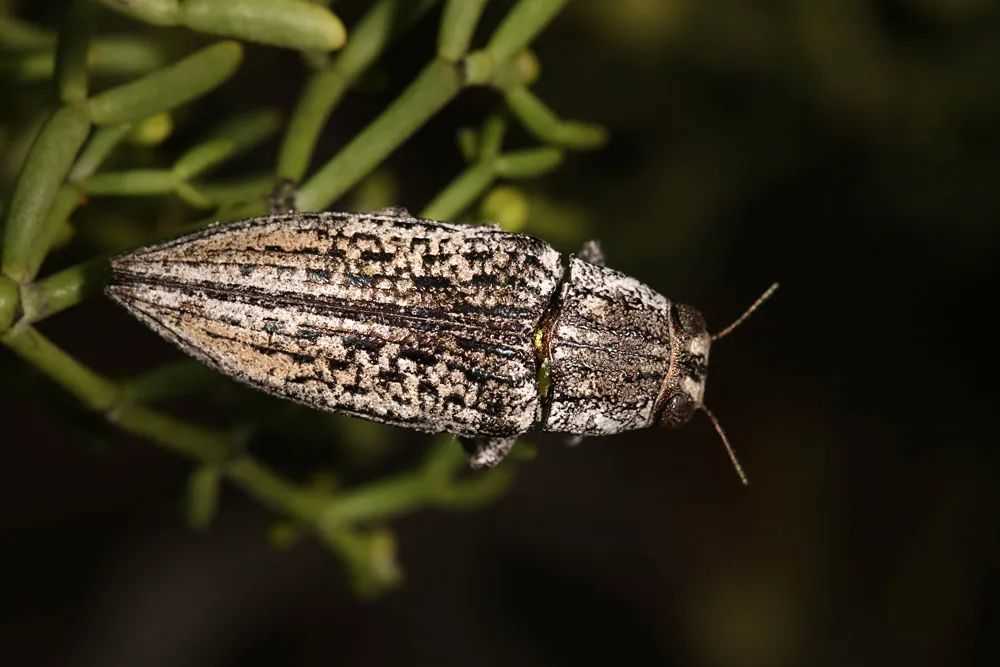
Jewel Beetles: Nature's Living Gems with Iridescent ArmorJewel Beetles: Nature's Living Gems with Iridescent ArmorJewel beetles, belonging to the family Buprestidae, dazzle with metallic hues that rival precious stones, earning them names like "jewel bugs" or "metallic wood-borers." Found across the globe, these beetles combine stunning aesthetics with a unique life cycle, captivating both entomologists and nature enthusiasts. Their elytra, often emerald green, sapphire blue, or coppery red, derive their brilliance from structural coloration—microscopic ridges that refract light.
Lepidoptera: The Winged Wonders Shaping Ecosystems and Cultural ImaginationLepidoptera: The Winged Wonders Shaping Ecosystems and Cultural ImaginationLepidoptera, an order encompassing butterflies and moths, enchants with its unparalleled diversity and ethereal beauty. With over 180,000 known species worldwide, these insects captivate through their intricately patterned wings, formed by countless overlapping scales. From the vibrant Monarch butterflies migrating across continents to the nocturnal moths camouflaged against tree bark, Lepidoptera's ecological and cultural significance is as vast as their wingspans.
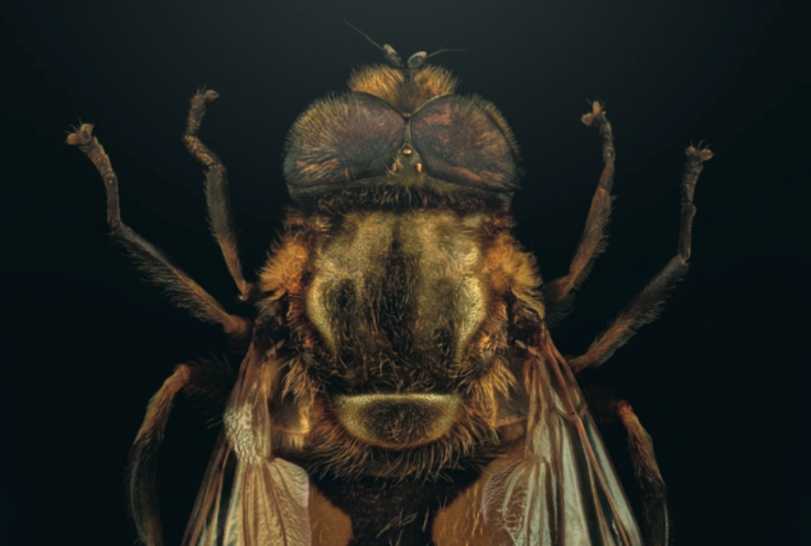
The Mysterious Decline of Blera fallax in North AmericaThe Mysterious Decline of Blera fallax in North AmericaOnce a common sight across the northern reaches of North America, the hoverfly species Blera fallax, also known as the pine hoverfly, has now nearly vanished from the region. This decline is not only a loss for the continent's biodiversity but also a cause for concern among entomologists and conservationists.
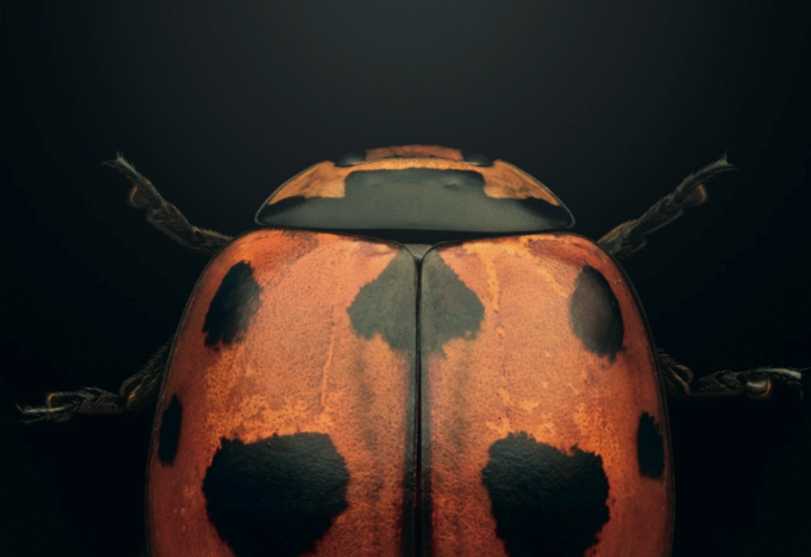
The Mysterious Disappearance of the Nine-Spotted LadybugThe Mysterious Disappearance of the Nine-Spotted LadybugThe nine-spotted ladybug, Coccinella novemnotata, once held a place of prominence across North America. In the United States, it was even designated as the official insect of New York State, symbolizing its significance. This species was once widespread throughout the US and Canada, playing a crucial role in the agricultural ecosystem. Famously, it was a voracious predator of aphids and other pest insects, acting as a natural form of pest control and helping farmers safeguard their crops without the heavy use of pesticides.
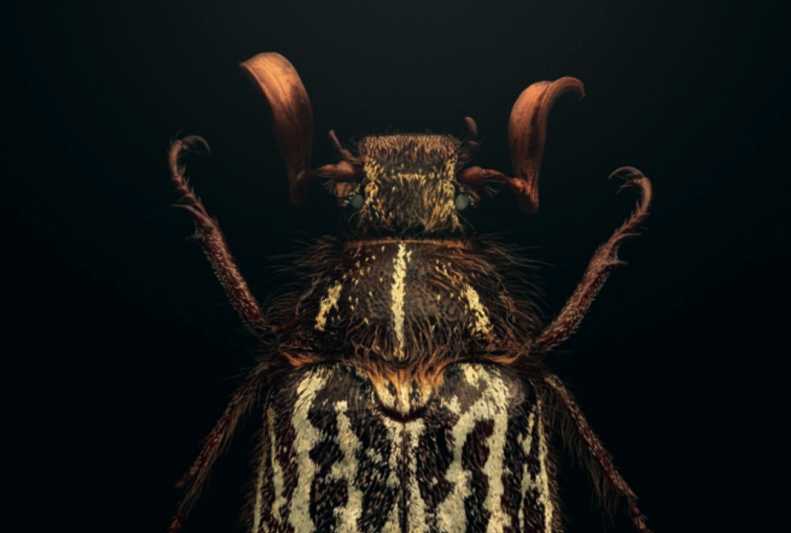
The Elusive White-striped Clouded Chafer: A Rare Californian InsectThe Elusive White-striped Clouded Chafer: A Rare Californian InsectThe white-striped clouded chafer, scientifically known as Polyphylla variolosa, is a unique and somewhat mysterious insect within the family Scarabaeidae. This species is notable for its distinct appearance and its significance within the ecosystems it inhabits, although much about its current status remains a concern.