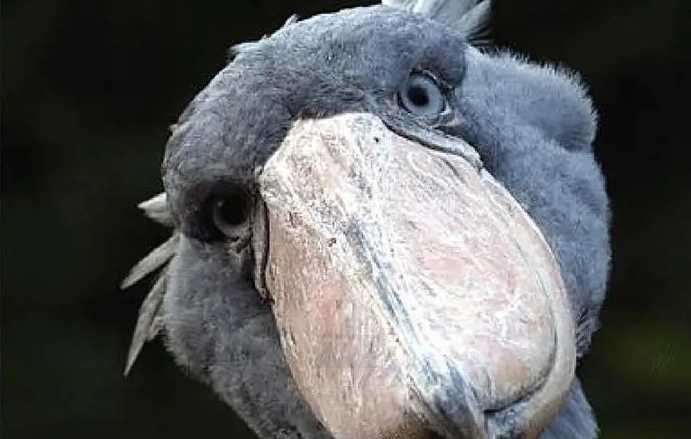
Balaeniceps rex: The Majestic Shoebill Stork of African WetlandsBalaeniceps rex: The Majestic Shoebill Stork of African Wetlands
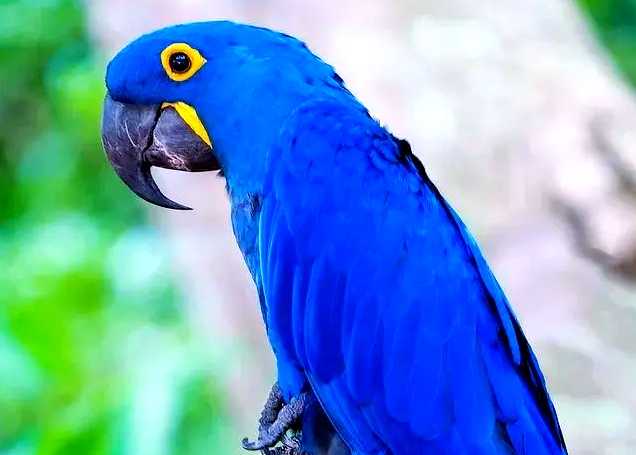
The Hyacinth Macaw: South America’s Azure Giant and Parrot RoyaltyThe Hyacinth Macaw: South America’s Azure Giant and Parrot Royalty
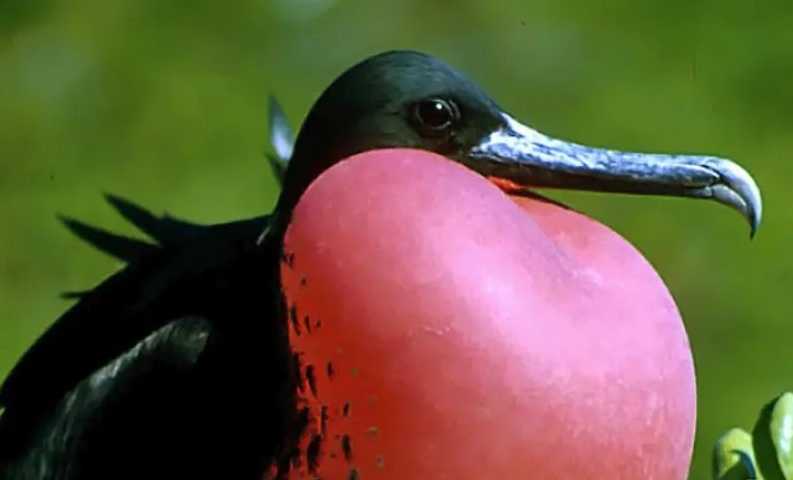
Fregata magnificens: The Regal Magnificent Frigatebird of Tropical OceansFregata magnificens: The Regal Magnificent Frigatebird of Tropical Oceans
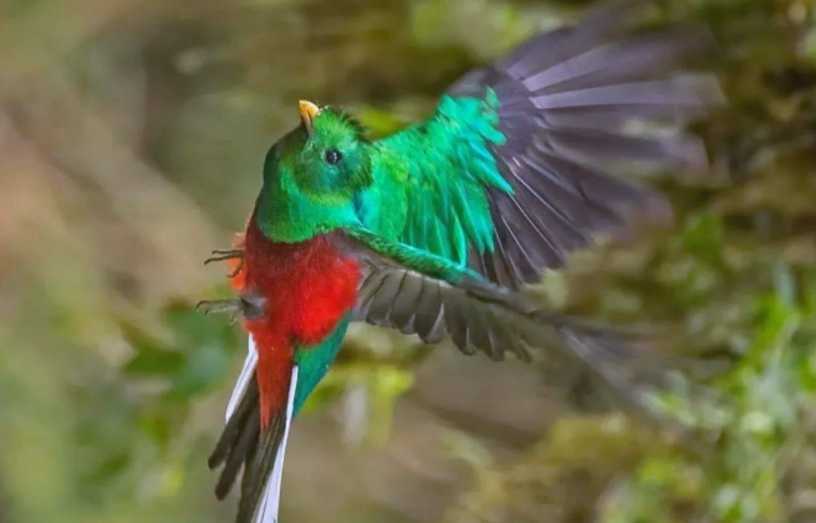
The Resplendent Quetzal: Mesoamerica’s Emerald Avian Deity and Symbol of FreedomThe Resplendent Quetzal: Mesoamerica’s Emerald Avian Deity and Symbol of Freedom
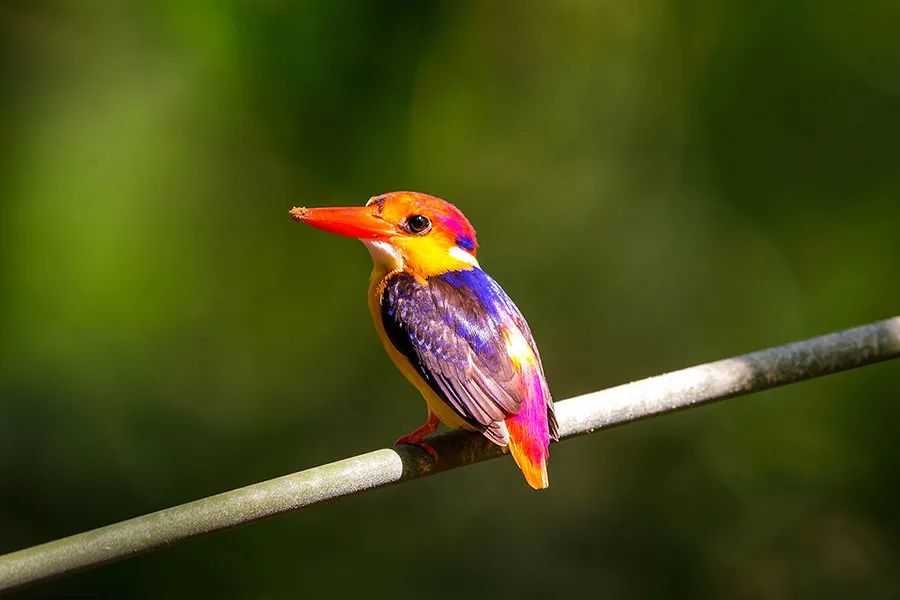
Ceyx pictus: The Diminutive African Pygmy Kingfisher of Sub-Saharan WetlandsCeyx pictus: The Diminutive African Pygmy Kingfisher of Sub-Saharan WetlandsCeyx pictus, the African pygmy kingfisher, is a tiny yet vibrant jewel of the avian world, captivating observers with its striking colors and elusive nature. Endemic to the forested wetlands of Sub-Saharan Africa, this small member of the Alcedinidae family plays a crucial role in the delicate ecosystems it inhabits, despite its unassuming size.
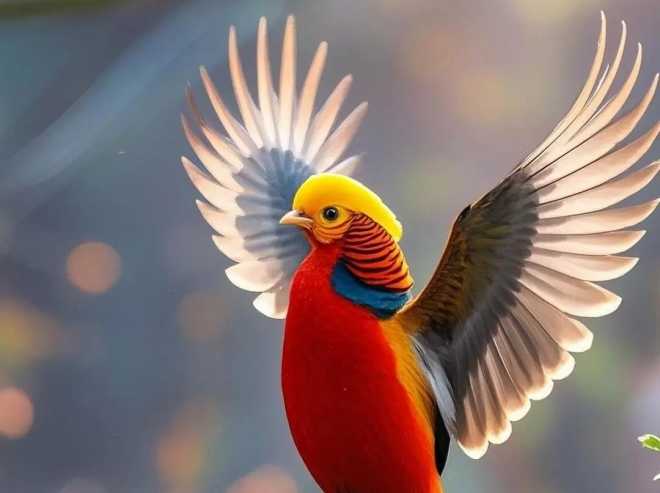
The Golden Pheasant: China’s Living Phoenix and Avian Emblem of RoyaltyThe Golden Pheasant: China’s Living Phoenix and Avian Emblem of RoyaltyScientifically named Chrysolophus pictus, this iconic pheasant is endemic to China’s central and western mountain ranges, measuring 80 cm in length and feeding on plant seeds and insects. A national second-class protected animal, it’s long been hailed as the real-world inspiration for the mythical phoenix—an association that elevated it to imperial status in ancient China.
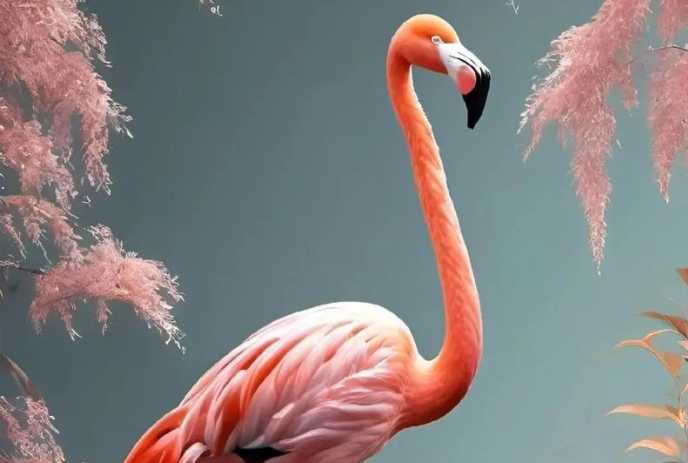
The Flamingo: Nature’s Pink Ballet Dancers and Solar SymbolsThe Flamingo: Nature’s Pink Ballet Dancers and Solar SymbolsScientifically classified under Phoenicopteridae, flamingos are majestic wading birds spanning 1–2 meters in length, comprising 3 genera and 6 species. Inhabiting salt lakes and marshy shallows across Africa, South America, and India, these social birds form massive flocks, feasting on algae and shrimp. Revered by the ancient Greeks as incarnations of Apollo, the sun god, their elegance has captivated human imagination for millennia.
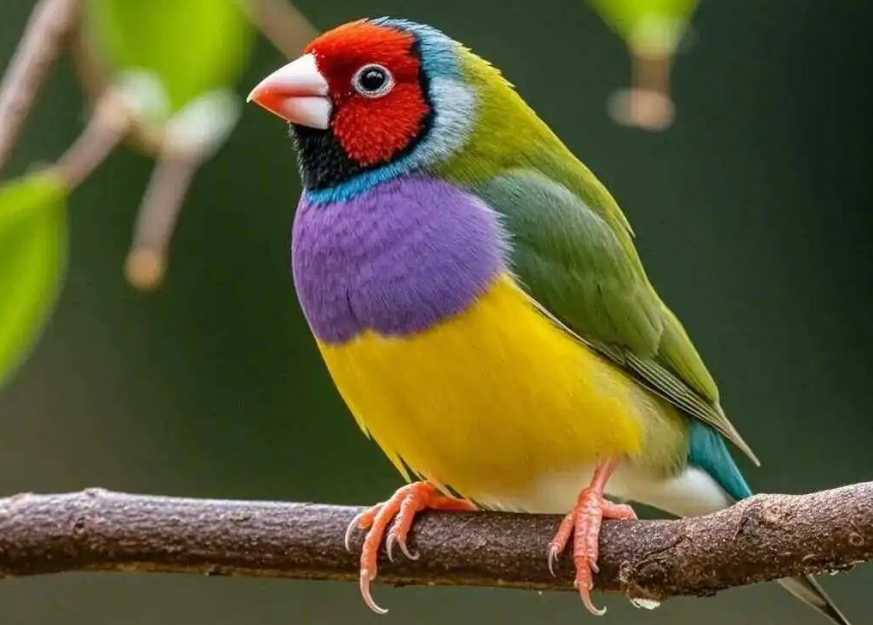
The Gouldian Finch: Australia’s Jeweled Songbird and Victorian Status SymbolThe Gouldian Finch: Australia’s Jeweled Songbird and Victorian Status SymbolScientifically named Chloebia gouldiae, this 12-cm passerine native to Australia’s savannas feasts on grass seeds and insects. Though wild populations now number fewer than 2,500, its dazzling plumage has made it a globally cherished ornamental bird, with captive-bred varieties outnumbering their wild counterparts.
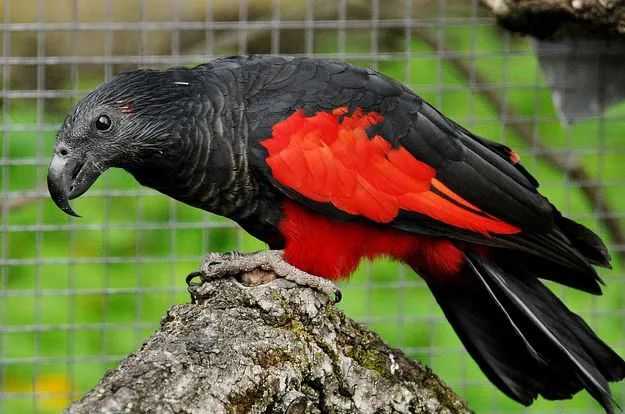
The Dracula Parrot: New Guinea’s Mysterious Avian Noble in Gothic AttireThe Dracula Parrot: New Guinea’s Mysterious Avian Noble in Gothic AttireScientifically named Psittrichas fulgidus, this medium-sized parrot inhabits the mountainous regions of New Guinea, measuring around 35 cm and feasting on nuts and fruits. True to its enigmatic moniker, the Dracula parrot lives up to its mysterious aura: cloaked in jet-black plumage, it sports vivid blood-red patches on its chest, belly, and forewings, creating a striking contrast that evokes the regal yet ominous figure of literary vampires. This gothic aesthetic inspired its name, a nod to Bram Stoker’s iconic Count Dracula.
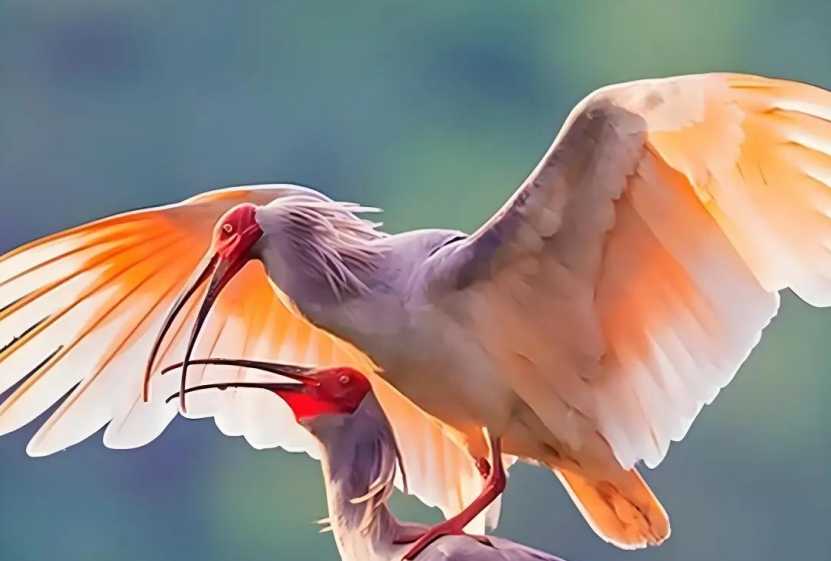
The Crested Ibis: East Asia’s Enigmatic 'Oriental Jewel' and Symbol of SurvivalThe Crested Ibis: East Asia’s Enigmatic 'Oriental Jewel' and Symbol of SurvivalScientifically named Nipponia nippon, this rare wading bird measures around 80 cm, inhabiting wetland ecosystems and feasting on fish and shrimp. Once widespread across East Asia, it now clings to survival primarily in Yangxian County, Shaanxi Province, China, classified as a national first-class protected animal. Hailed as the "Oriental Jewel," its cultural significance spans millennia: ancient Chinese poets praised its "red jade-feathered plumes," while Japan’s imperial family revered it as the sacred "Peach Blossom Bird," now symbolizing Sino-Japanese friendship.
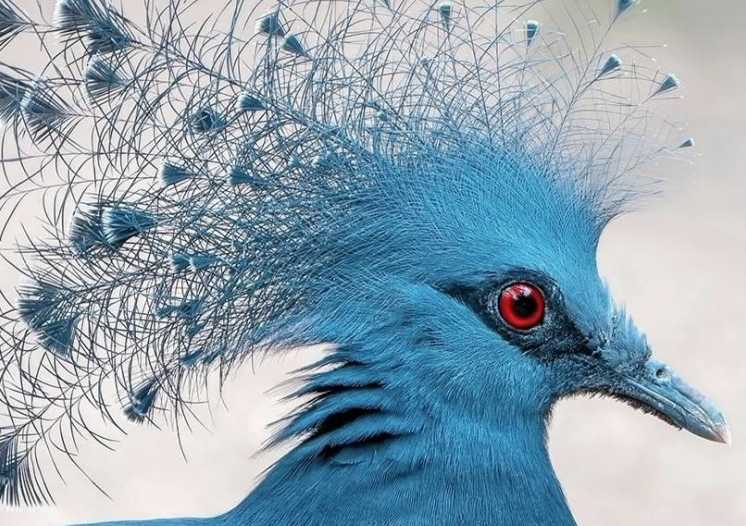
The Victoria Crowned Pigeon: New Guinea’s Royal Avian Gem and the Largest Pigeon on EarthThe Victoria Crowned Pigeon: New Guinea’s Royal Avian Gem and the Largest Pigeon on EarthScientifically named Goura victoria, this majestic bird holds the title of the world’s largest pigeon, measuring 70–80 cm in length and weighing 2–3 kg. Native to the rainforests of New Guinea and its surrounding islands, it lacks the ability to fly, instead relying on powerful legs to leap several meters as it forages for ground-dwelling fruits and seeds. Its name pays homage to Queen Victoria of Britain, bestowed by 19th-century scholars who marveled at its regal crest and elegant demeanor—traits that seemed to mirror the grandeur of the British monarchy.
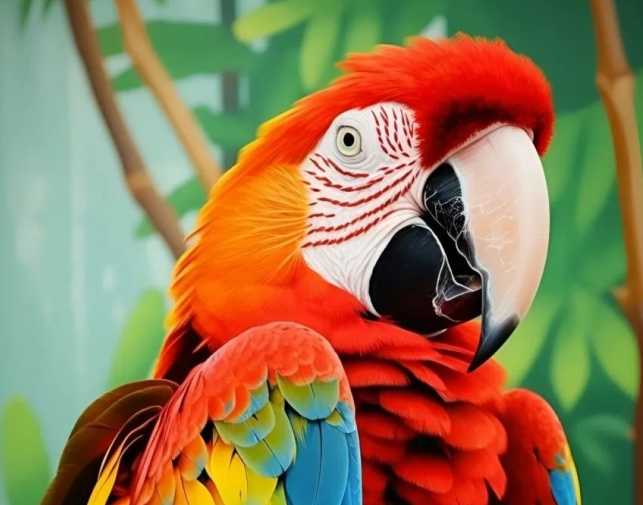
The Scarlet Macaw: South America’s Living Palette and Darwin’s 'Divine Color Explosion'The Scarlet Macaw: South America’s Living Palette and Darwin’s 'Divine Color Explosion'Scientifically named Ara macao, this majestic parrot dominates South America’s rainforests, stretching 85 cm in length and feasting on nuts and fruits. Charles Darwin himself famously described it as "nature’s palette spilled across the avian world"—a fitting tribute to its jaw-dropping plumage: a cobalt-blue head and wings, golden-yellow neck ring, emerald-green back, and scarlet tail feathers. The resulting color clash is so vivid that in flight, it resembles a rainbow in motion, with each wingbeat flashing a spectrum of primary hues.
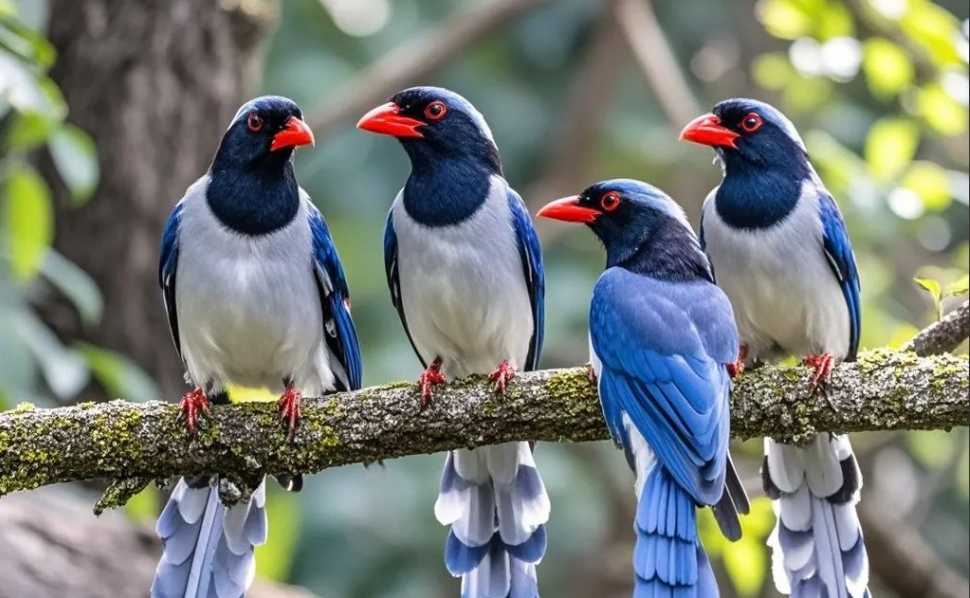
The Red-billed Blue Magpie: China’s Enigmatic 'Mountain Phoenix' and Avian Elegance PersonifiedThe Red-billed Blue Magpie: China’s Enigmatic 'Mountain Phoenix' and Avian Elegance PersonifiedScientifically named Urocissa erythroryncha, this 65-cm corvid is a common sight in southern China’s mountain forests, feasting on insects and fruits. Revered in folklore as the "mountain phoenix," it’s celebrated as one of China’s most visually striking native birds, captivating observers with its dramatic plumage and graceful demeanor.
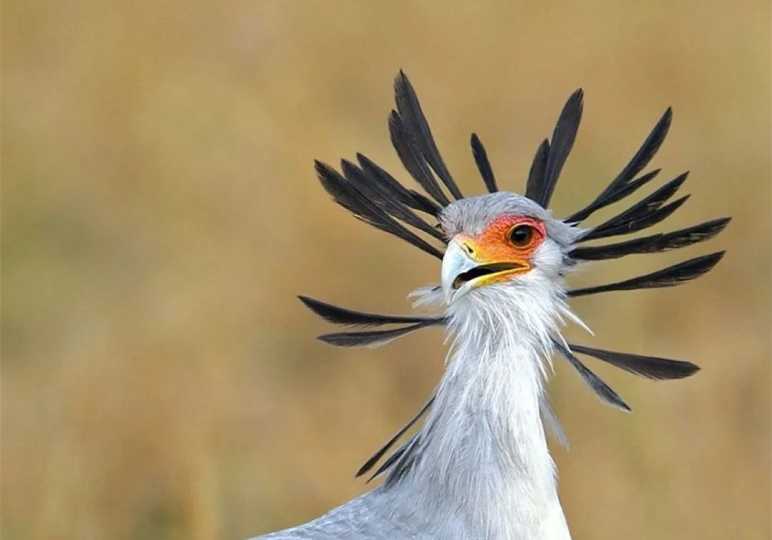
The Secretarybird: Africa’s Majestic Serpent-Hunter and Walking RaptorThe Secretarybird: Africa’s Majestic Serpent-Hunter and Walking RaptorScientifically named Sagittarius serpentarius, this iconic raptor of sub-Saharan Africa belongs to the family Sagittariidae, standing 1.2–1.5 meters tall with a 2.1-meter wingspan. Renowned for its long legs and terrestrial lifestyle, it earns the nickname "African marching eagle," covering 20–30 kilometers daily on foot. Its name stems from the 20 black crest feathers on its head, resembling the quill pens once tucked behind secretaries’ ears—feathers that erect into a dramatic fan when the bird is agitated, framed by vivid orange-red bare skin around the eyes.
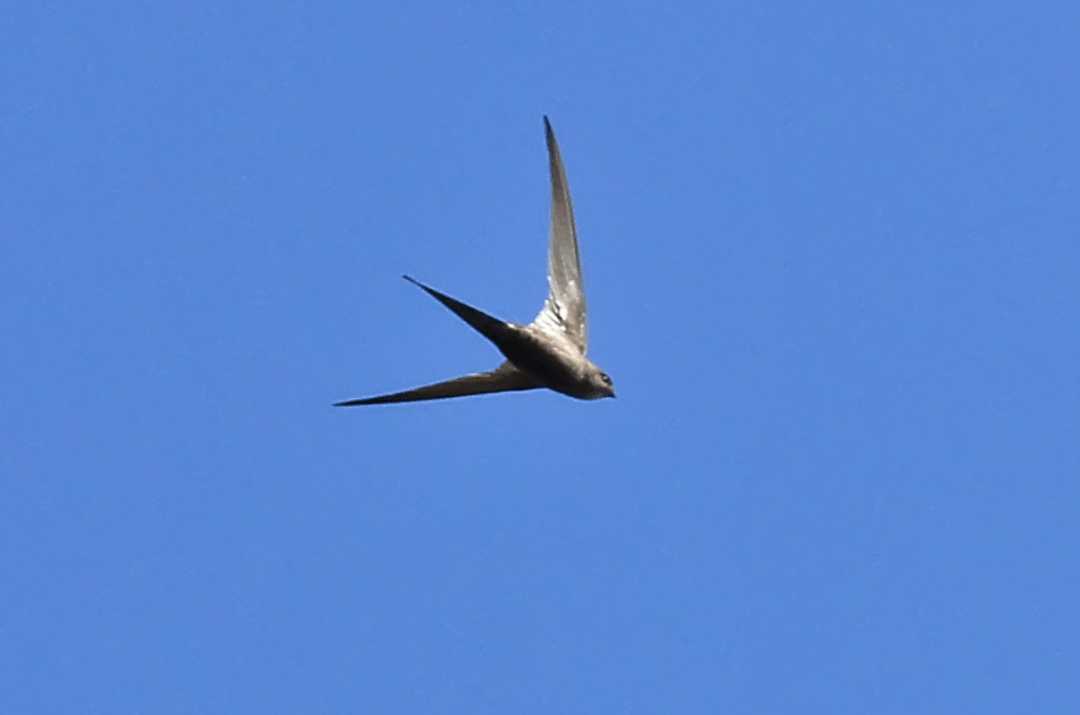
The Swift: Nature’s Legless Wonder and Aerial Life MasterThe Swift: Nature’s Legless Wonder and Aerial Life MasterTiny in size yet with slender, pointed wings, swifts earned the nickname "legless birds" for a life almost entirely spent in flight—even eating, drinking, and mating mid-air. These aerial acrobats can fly continuously for 10 months without landing, a feat unmatched in the avian world.
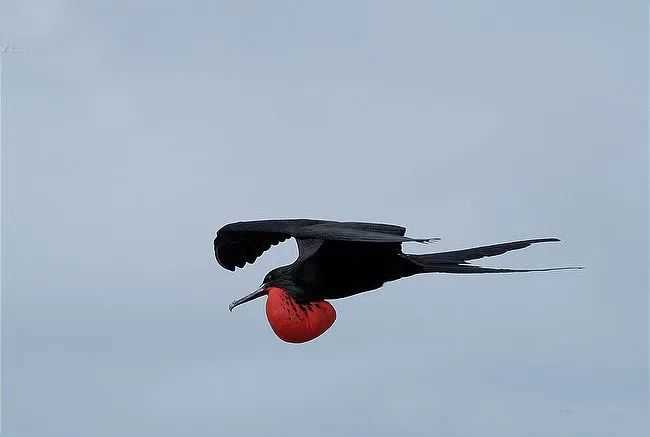
The Frigatebird: Tropical Oceans’ Aerial Pirates and Sleep-in-Flight SpecialistsThe Frigatebird: Tropical Oceans’ Aerial Pirates and Sleep-in-Flight SpecialistsLiving primarily in tropical oceans, frigatebirds boast wingspans exceeding 2 meters, with males sporting a distinctive red throat pouch that inflates like a scarlet balloon during courtship. These avian marvels are renowned for their ability to fly continuously for two months without touching water—even sleeping mid-air.
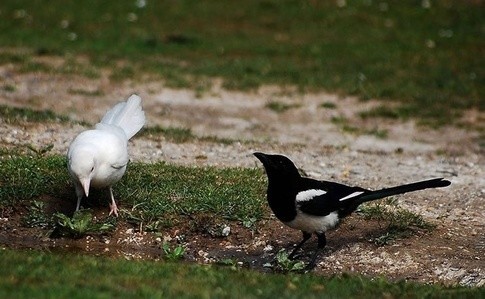
The Albino Magpie: A Rare Feathered Anomaly in the Avian WorldThe Albino Magpie: A Rare Feathered Anomaly in the Avian WorldAlbino magpies, though occasionally spotted in urban and rural areas worldwide, are genetic oddities that stand out starkly from their black-and-white counterparts. Caused by a recessive gene mutation that inhibits melanin production, these birds exhibit pure white plumage, pinkish legs, and striking red or pale blue eyes—a result of blood vessels reflecting through unpigmented tissues. Unlike leucistic magpies (which have partial color loss), albinos lack all pigmentation, making them a rare sight in the wild.
Aquatic Birds: Masters of the Open WaterAquatic Birds: Masters of the Open WaterAquatic birds, or waterfowl, have evolved to thrive in expansive water bodies such as reservoirs, rivers, and lakes. These avian species have adapted unique physical features and feeding strategies, enabling them to exploit the rich resources of their aquatic habitats.
Wading Birds: Elegant Residents of Shallow Water HabitatsWading Birds: Elegant Residents of Shallow Water HabitatsWading birds, a diverse group of avian species, have evolved to thrive in the unique ecosystems of shallow water environments, including mudflats, marshes, ponds, and irrigation canals. These habitats serve as rich feeding grounds, supporting a diet centered on crabs, shellfish, worms, and other benthic organisms that dwell in the nutrient-rich sediments.
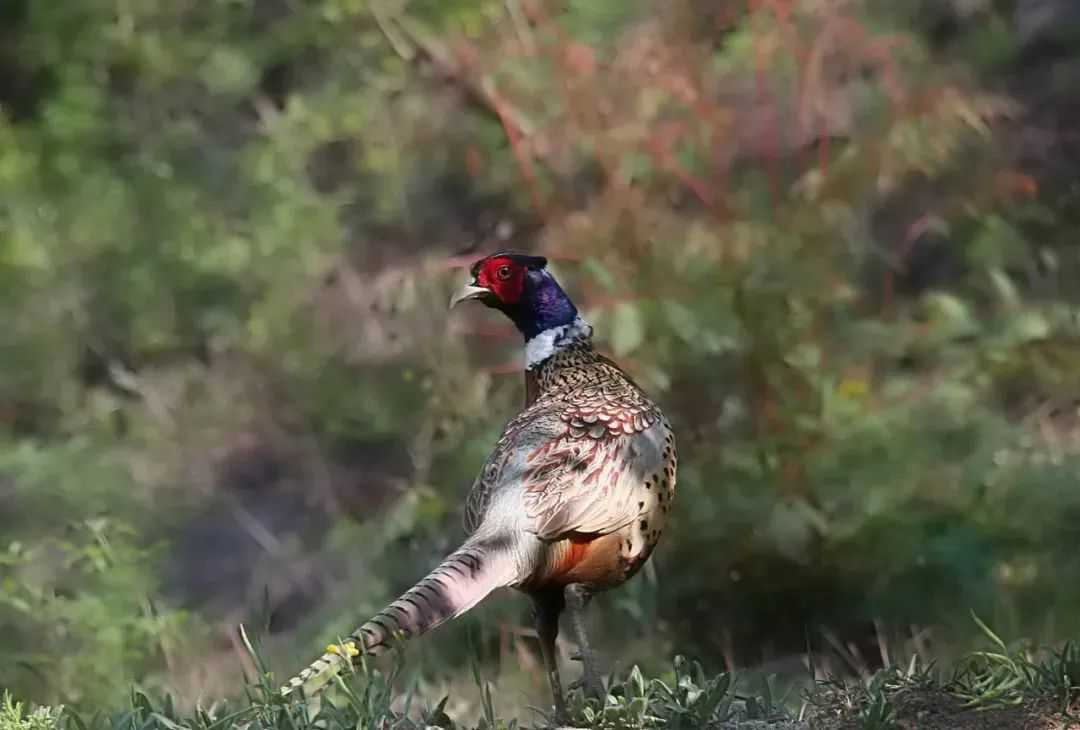
Terrestrial Birds: Ground-Dwelling Specialists of Diverse HabitatsTerrestrial Birds: Ground-Dwelling Specialists of Diverse HabitatsTerrestrial birds, a versatile group of avian species, have adapted to thrive in a range of environments, from dense forests and urban parks to suburban gardens and agricultural fields. These birds spend the majority of their lives foraging and nesting on the ground, relying on a diet that typically includes grains, seeds, insects, and small vertebrates.